UEH Students Participate in the NUS Young Fellowship Programme 2026
22 Aug, 2026
Within the framework of NYFP 2026, UEH students Nguyen Thien Nhan, Tran Hoang Khanh Ngoc, and Vo Thanh Ly participated in a series of academic activities, gaining insights into the learning and research environment at NUS, engaging with real-world business practices, and collaborating with international student teams. The programme provided opportunities for students to explore emerging developments in artificial intelligence (AI), graduate research, and technological innovation, while broadening their perspectives through academic exchange with peers from diverse cultural backgrounds.
The participation of UEH students in NYFP 2026 also contributed to expanding international learning experiences for UEH students. Through connections fostered with international academic partners, UEH continues to create opportunities for students to engage with diverse learning, research, and intercultural environments. These international connections are gradually being translated into tangible learning opportunities, empowering students to expand their networks, gain new perspectives, and take meaningful steps toward becoming part of the global academic community.
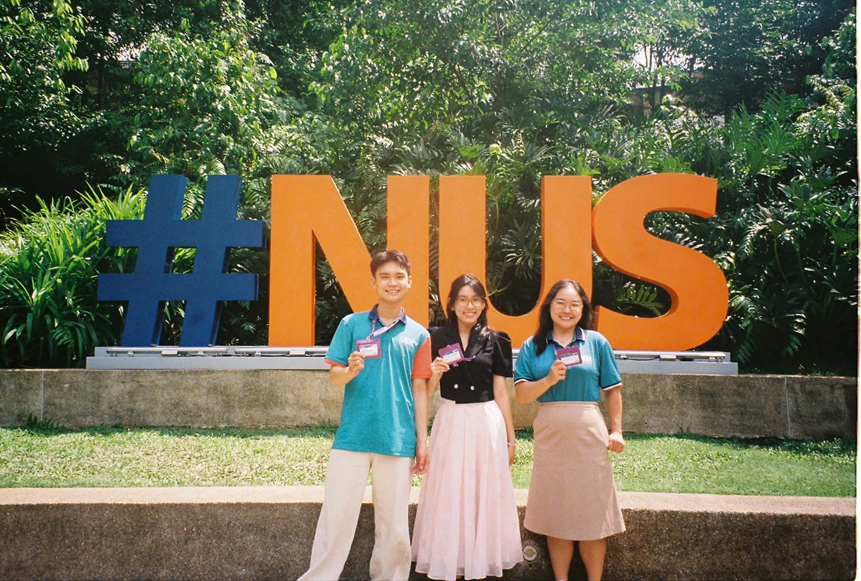
Nguyen Thien Nhan, Tran Hoang Khanh Ngoc, and Vo Thanh Ly - UEH student representatives at the NUS Young Fellowship Programme
Exploring AI Through an Interdisciplinary Perspective
The programme commenced with a series of academic activities under the Welcome & Opening Session, featuring professors, researchers, and experts from diverse fields. Through lectures and thematic sessions, students explored AI not only as a rapidly evolving technology but also in relation to research, education, career development, and society.
The academic sessions covered a wide range of topics, including AI and semiconductors, Data-Centric AI for Large Language Foundation Models, Generative AI, AI and Robotics, as well as AI applications in biomedicine and research. In particular, the session “Data-Centric AI for Large Language Foundation Models” delivered by Assoc. Prof. Bryan Low offered insights into the critical role of data in developing large language foundation models. Meanwhile, “AI and Robots in Our Uniquely Human World: A Psychological Perspective” by Prof. Sam Yam Kai Chi approached AI and robotics from a psychological perspective, broadening students’ understanding of the evolving relationship between technology and humanity.
Beyond the academic content, the programme also introduced participants to postgraduate study and research opportunities at NUS, career pathways in an increasingly AI-driven world, and the competencies required to engage effectively in an international research environment.
Throughout the programme, UEH students actively participated in discussions, collaborative activities, and exchanges with Fellows from different countries, contributing to a multidimensional academic environment while strengthening connections between Vietnamese students and the global academic community.
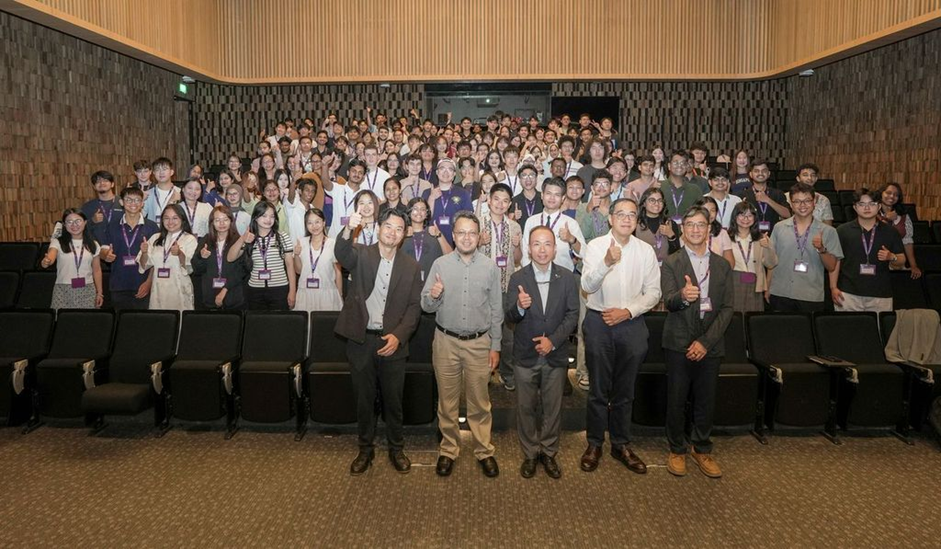
Fellows pose for a commemorative photo on the first day of the programme
Exploring the Learning and Research Ecosystem at NUS
Alongside the academic activities, NYFP 2026 provided Fellows with opportunities to experience the learning and research ecosystem at NUS through the Guided NUS Campus Tour, laboratory visits, and tours of research facilities across the campus. At SDE4, Fellows explored a landmark building that reflects NUS’s commitment to sustainable development. As Singapore’s first newly constructed net-zero energy building, SDE4 is also the first building in Southeast Asia to receive the Zero Energy certification from the International Living Future Institute. The visit offered Fellows a firsthand perspective on how sustainability goals can be integrated into the design, operation, and learning spaces of a university campus.
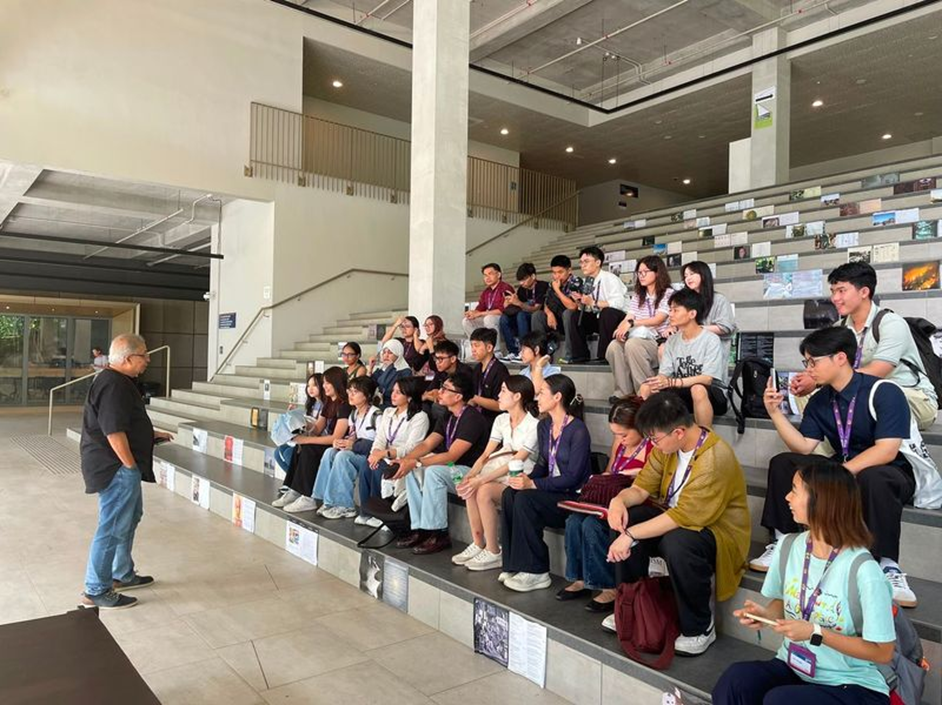
Fellows explore SDE4 - a landmark development reflecting NUS’s commitment to sustainable development
In addition, laboratory visits provided the Fellows with an opportunity to gain closer insights into research facilities and infrastructure, while observing how scientific ideas are developed and translated into practical applications.
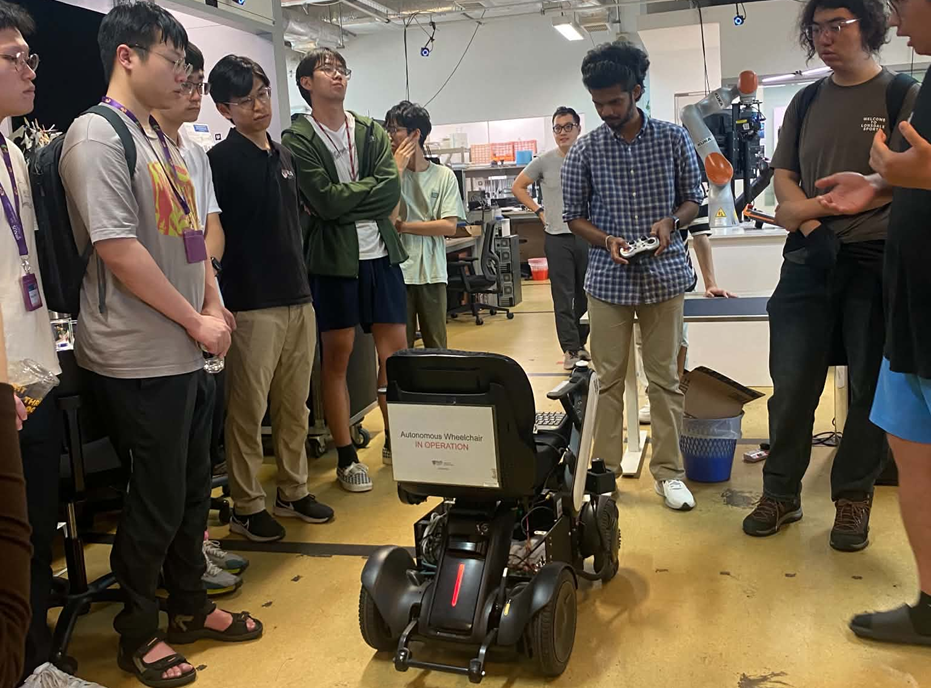
Fellows during a laboratory visit at NUS
Connecting Knowledge with Business Practice
A key highlight of the programme was the Corporate & Industry Immersion, which provided the Fellows with broader perspectives on the interconnectedness of education, research, technological innovation, and the practical needs of businesses. At Seagate Technology Singapore, the Fellows gained insights into the operations of a global technology company specialising in data storage, while exploring how technology, data, and artificial intelligence (AI) are applied across manufacturing and operational processes. The corporate visit offered the Fellows a valuable opportunity to better understand the role of research and technological innovation in addressing real-world challenges, while also broadening their understanding of the professional environment within international technology companies.
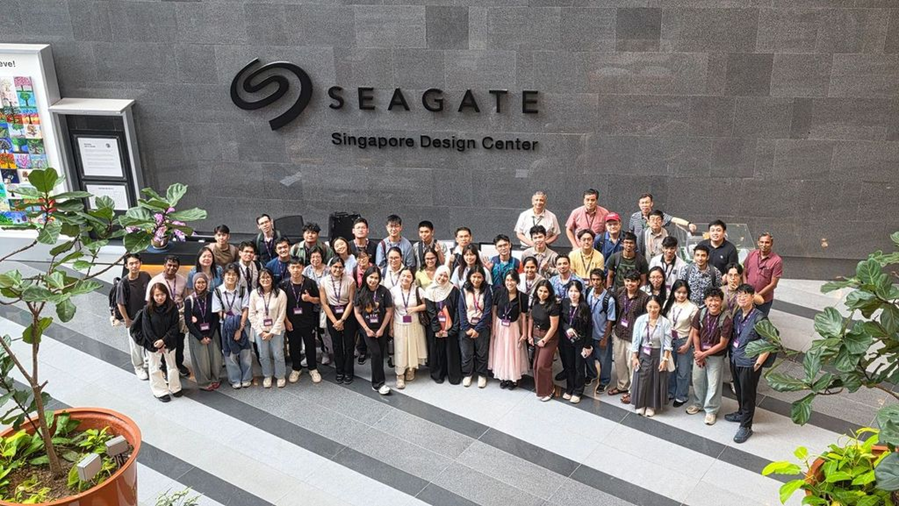
Fellows during the Corporate & Industry Immersion visit to Seagate Technology Singapore
Developing Research Presentation and Communication Skills
Beyond acquiring knowledge, the Fellows also had the opportunity to strengthen their ability to develop and communicate research ideas through the 3 Minute Thesis (3MT) Workshop, facilitated by Dr. Rafi Rashid. The workshop challenged students to distil a research problem into a concise, clear, and compelling message. Through content development, group discussions, and practical exercises, the Fellows enhanced their critical thinking, presentation, and communication skills, particularly in conveying academic concepts to audiences with diverse backgrounds and levels of expertise. Working collaboratively with students from different countries also provided valuable opportunities to develop cross-cultural collaboration, exchange perspectives, and adapt to an increasingly diverse academic environment.
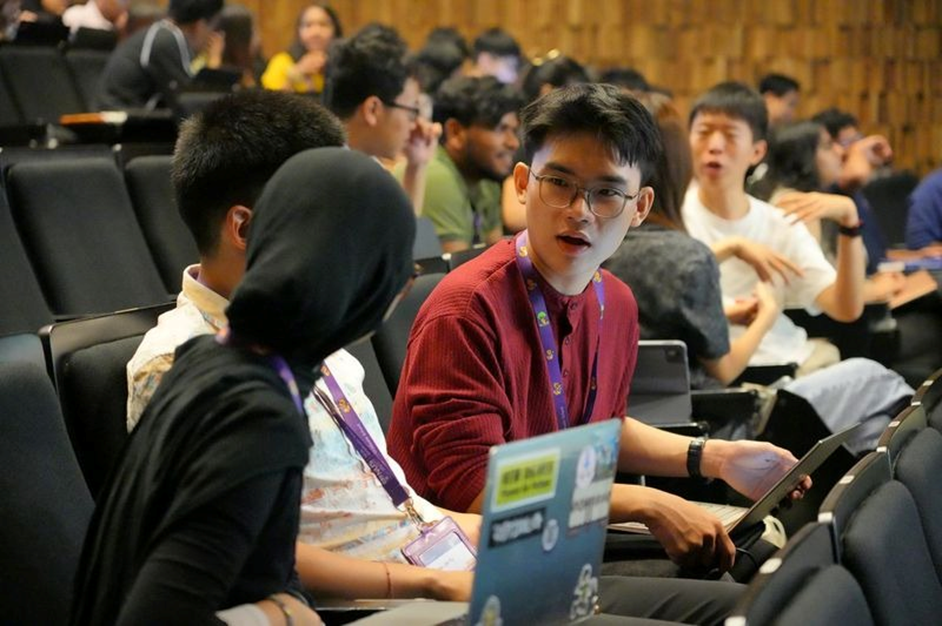
Nguyen Thien Nhan (IBP003 - K49) and fellow Fellows discuss their 3-Minute Thesis topics
From the Poster Competition to Lasting Connections Beyond the Programme
The Fellows’ on-site learning journey at NUS concluded with the Poster Competition, Group Presentation, Award Ceremony, and Closing Address. Through these activities, international student teams consolidated the knowledge and insights gained throughout the programme and transformed them into presentation outputs, demonstrating their teamwork, knowledge application, and ability to develop ideas collaboratively.
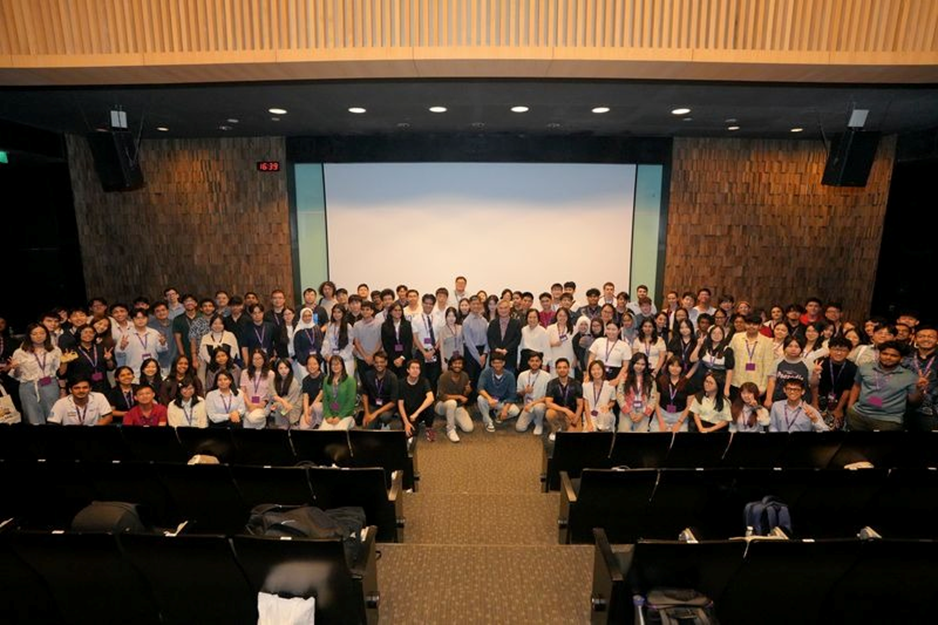
Closing Ceremony of the NUS Young Fellowship Programme 2026
Following the on-site learning experience in Singapore, NYFP 2026 continues with online mentoring and hands-on activities, providing the teams with opportunities to further develop their projects while maintaining the connections established throughout the programme. According to participating UEH students, NYFP 2026 has provided not only new insights into AI and postgraduate research, but also valuable opportunities to expand their academic networks, strengthen their ability to work in multicultural environments, and gain practical exposure to technological innovation.
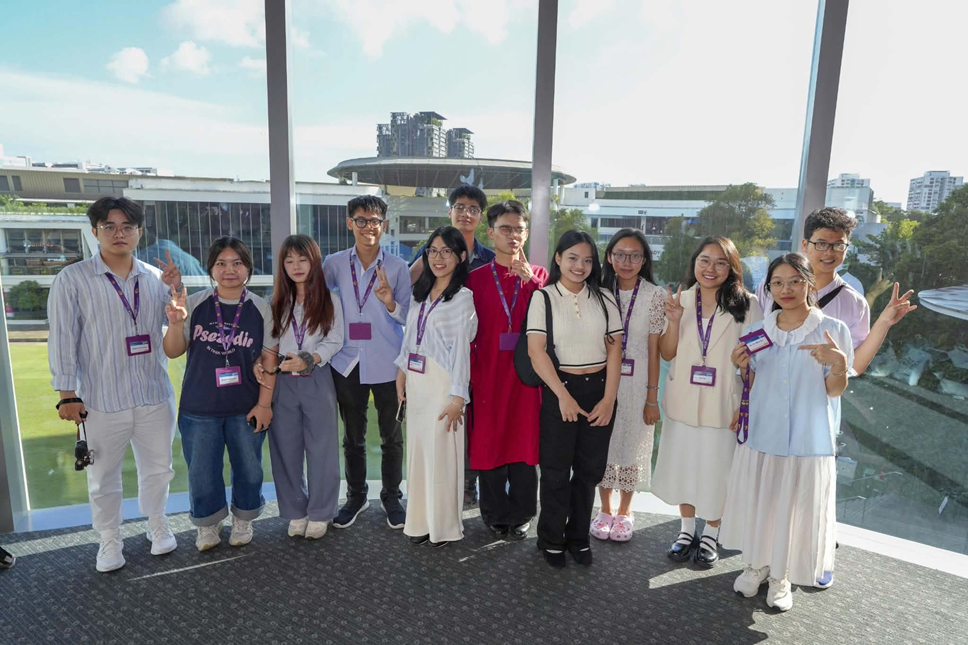
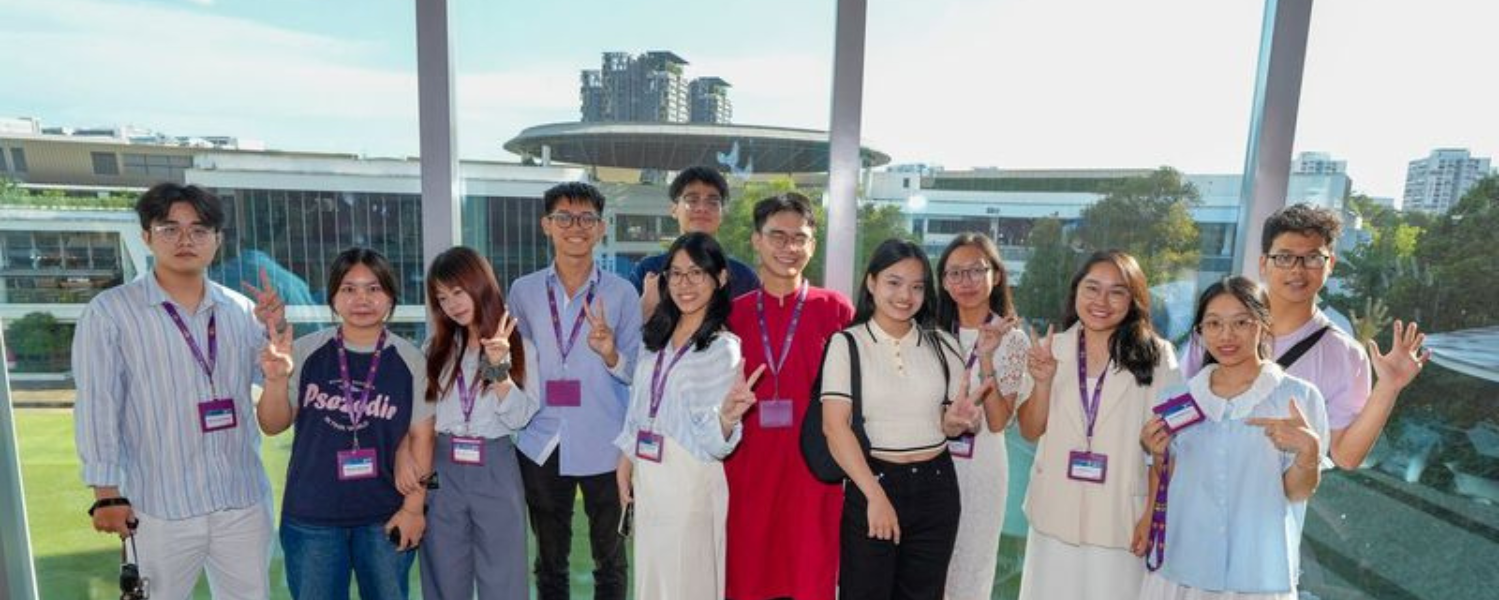
Vietnamese students pose for a commemorative photo after completing the on-site learning component of the NUS Young Fellowship Programme 2026
UEH’s Presence on the Global Academic Map
The participation of UEH students in NYFP 2026 represents an important opportunity to expand their international learning experiences. Through the programme, international connections are transformed into meaningful learning experiences, enabling students to observe how universities and international organisations approach emerging issues, engage in exchanges with peers from different countries, and gain a clearer understanding of potential pathways for their academic, research, and professional development.
This also reflects UEH’s continued commitment to accompanying students throughout their journey of global integration, where opportunities beyond the classroom serve as an important complement to their competency development and broaden their perspectives. Connecting students with international academic environments is an integral part of UEH’s efforts to expand opportunities for student development. The connections established through programmes such as NYFP 2026 can be sustained and further developed, contributing to an international learning and exchange network that UEH students can continue to engage with throughout their future academic and professional journeys.