
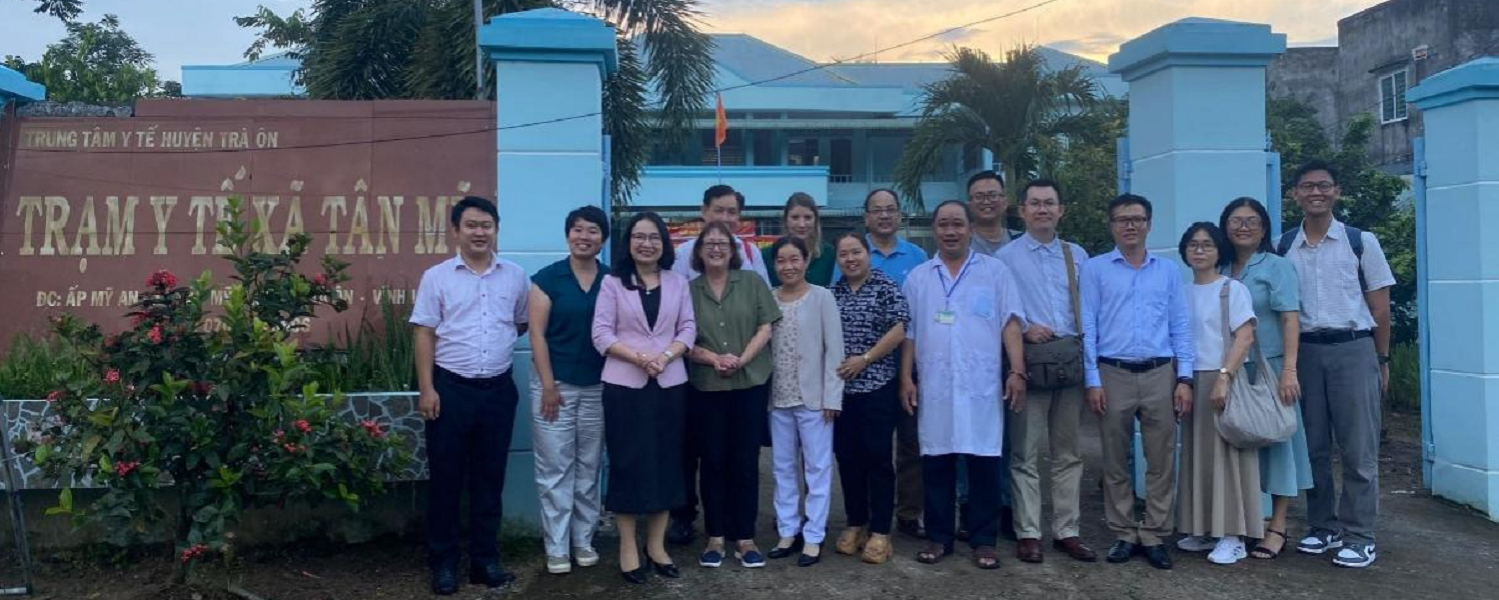
HAPRI – Connecting knowledge and practice for sustainable agriculture and food security
30 Jan, 2026
The year 2025 concluded with significant milestones for the Health and Agricultural Policy Research Institute (HAPRI) in its role as a bridge between academia, policy, and practice. Going beyond academic publications, HAPRI has demonstrated the tangible impacts of research on people’s livelihoods, food security, and community health in Viet Nam.
International cooperation expands impact
Over the past year, HAPRI effectively implemented multiple international cooperation projects with a total budget exceeding VND 426 million, reaffirming its role as a connector between research, policy, and practice. Notably, the Vietnam - Australia collaboration project on improving nutrition for children in disadvantaged rural areas, funded by the Australian Alumni Grants Fund, has contributed to strengthening research - policy dialogue in the fields of nutrition and food security.
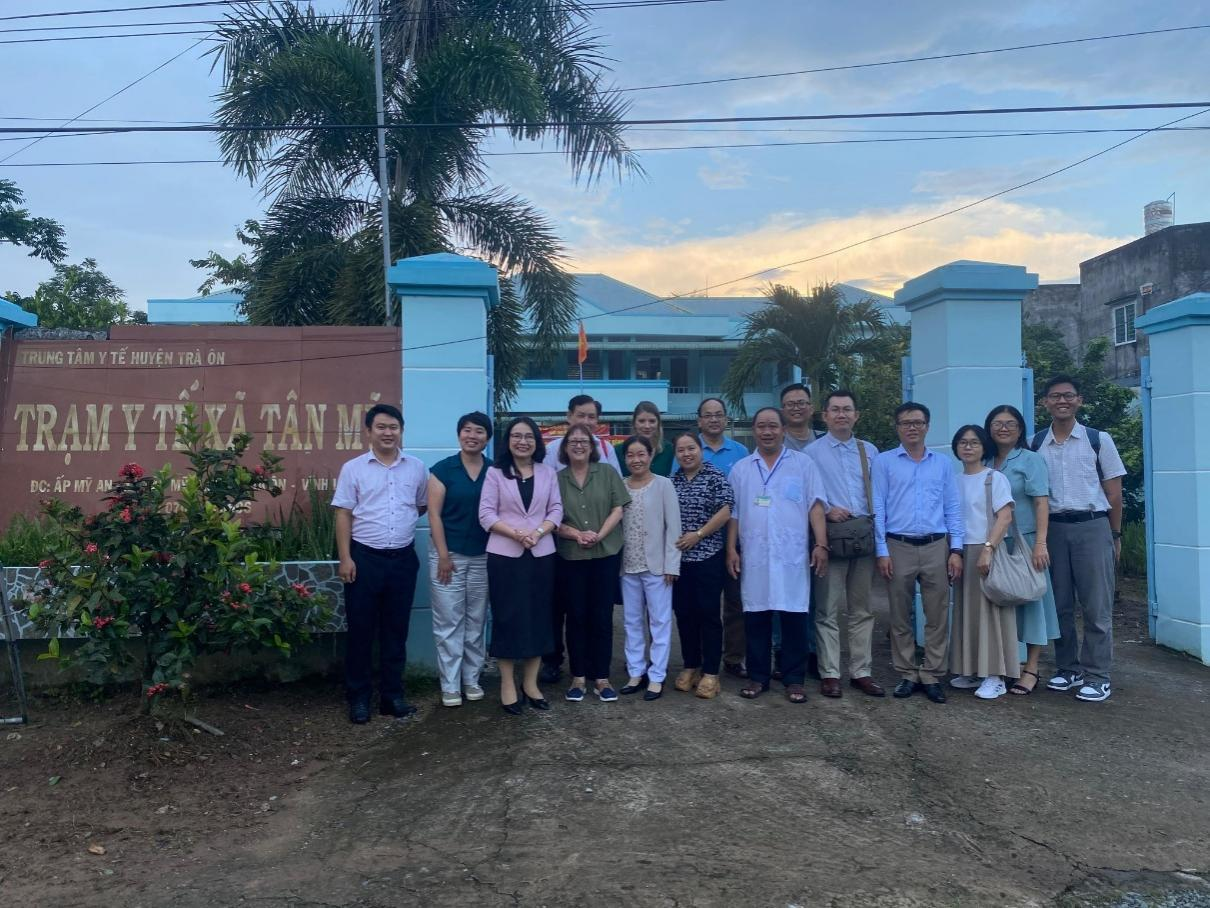
In parallel, the Intervention Package 8 (IP8) project, implemented in collaboration with CIAT under the Alliance of Bioversity International, focused on researching and applying sustainable agricultural solutions. The project highlighted the value added of green agricultural products and market-based mechanisms that incentivize sustainable farming practices, including regenerative agriculture.
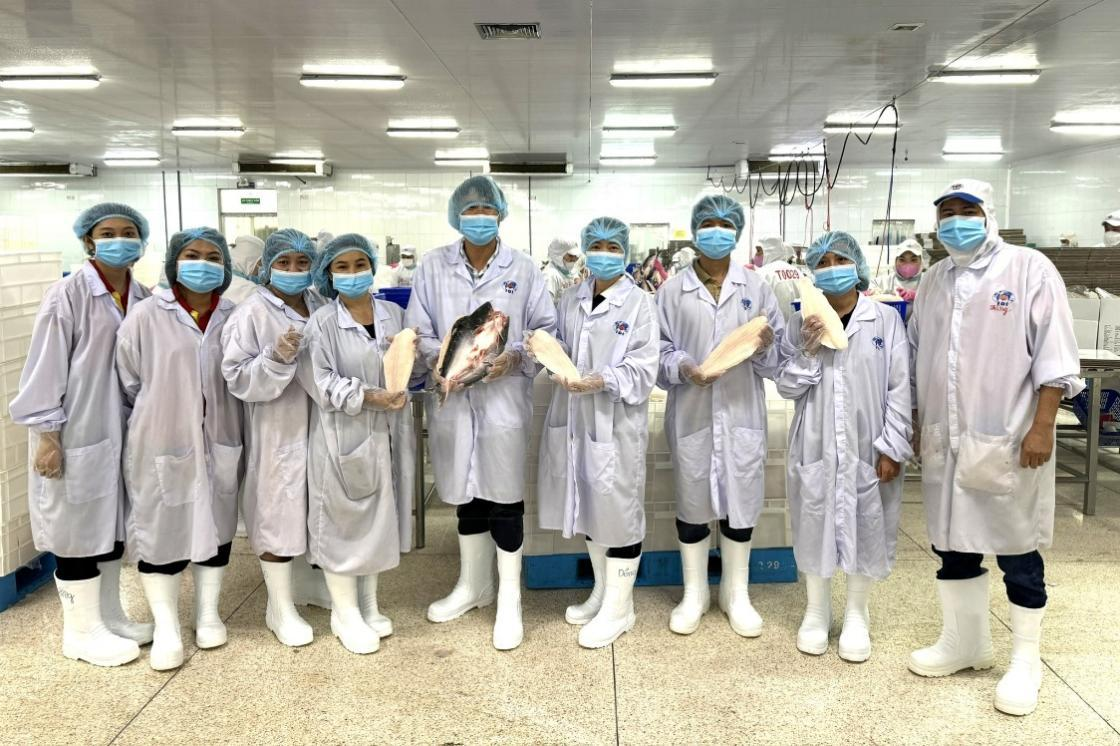
In particular, the ODA-funded project “Food Loss in the Pangasius Value Chain in the Mekong River Basin” approved by the Ministry of Education and Training and funded by ACIAR and IDRC, reflecting a long-term regional cooperation vision. Through training, research capacity building, and the application of forecasting tools, the project contributes to improving supply chain efficiency, reducing food loss, enhancing livelihoods, and strengthening food security in the context of climate change.
Scientific publications, policy contributions, and nurturing the next generation of researchers
In 2025, HAPRI’s research capacity continued to be affirmed with 12 publications in ISI/Scopus-indexed international journals, alongside numerous domestic publications and conference proceedings. Research topics addressed critical issues such as food security, nutrition, sustainable energy, energy poverty, migration and livelihoods, foreign direct investment (FDI), productivity, and macroeconomic forecasting. Several studies have attracted attention and citations from the international academic community.
A notable example is the study on the impacts of trade liberalization on household nutrition in Vietnam, funded by the Nafosted Foundation and published in the journal Food Security. This research provides important scientific evidence to support sustainable development policymaking. In addition, ministerial-level and university-level research projects were successfully completed, with several studies selected to contribute to policy documents for the 14th National Congress of the Communist Party of Vietnam, reaffirming HAPRI’s role as a trusted policy advisory institution.
Alongside research activities, HAPRI places strong emphasis on training and nurturing young researchers through supervising student internships and research projects. Many student-led studies won high prizes at young researcher awards in 2025. At the same time, the Institute’s academic environment continued to support professional development, with staff members receiving Fulbright scholarships and gaining admission to doctoral programs at the University of Economics Ho Chi Minh City (UEH).
HAPRI seminar series - A knowledge forum connecting international experts
In 2025, the HAPRI academic seminar series continued to affirm its role as a knowledge-sharing platform, fostering multi-dimensional dialogue among scholars, policymakers, and practitioners to address pressing issues in Viet Nam and the region.
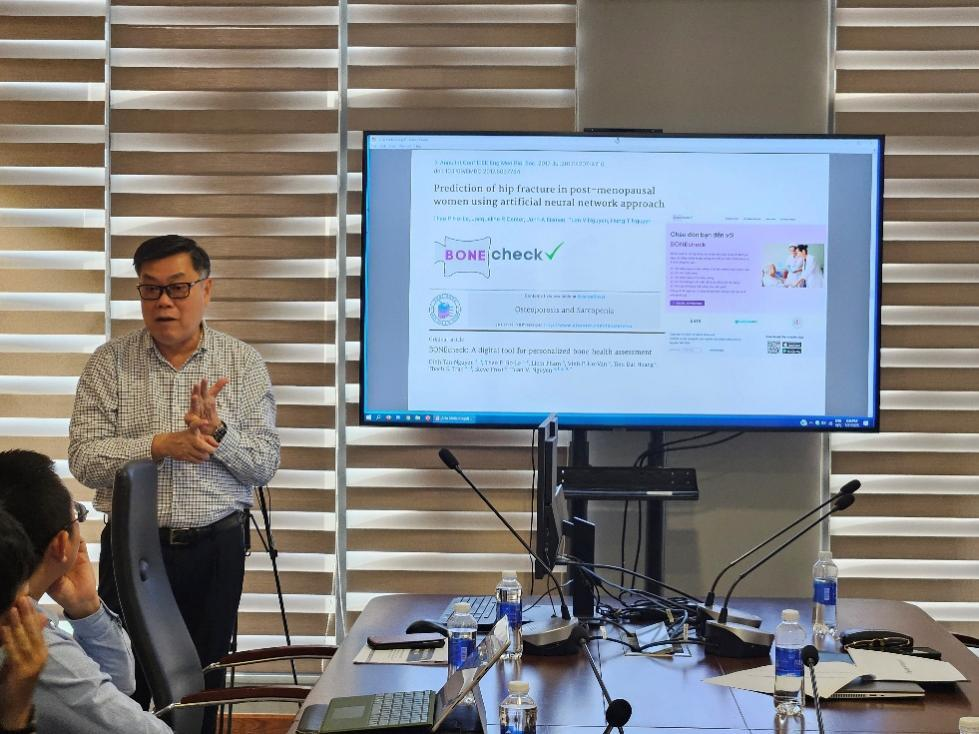
The seminar series opened with the topic “AI and Applications in Healthcare” on January 21, chaired by Professor Nguyen Van Tuan, focusing on the potential of artificial intelligence to enhance public healthcare quality in the context of digital transformation.
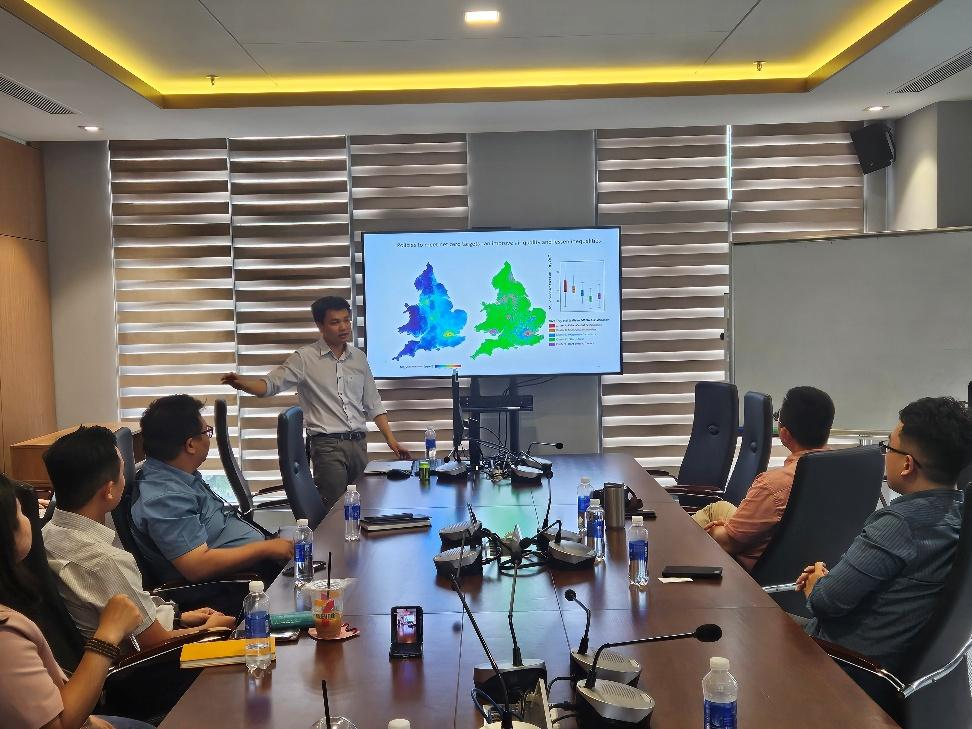
This was followed by the seminar “Net Zero Policies and Their Impacts on Air Pollution in the United Kingdom” on February 19, presented by Dr. Vu Tuan, which shared international experiences and offered relevant policy implications for Vietnam on its pathway toward carbon neutrality.
Later in February, the seminar “Population Aging, Technological Change, and Economic Impacts”, presented by Professor Tran Quoc Hung, analyzed the challenges and opportunities arising from demographic aging amid digital transformation and technological advancement, while offering interdisciplinary policy perspectives.
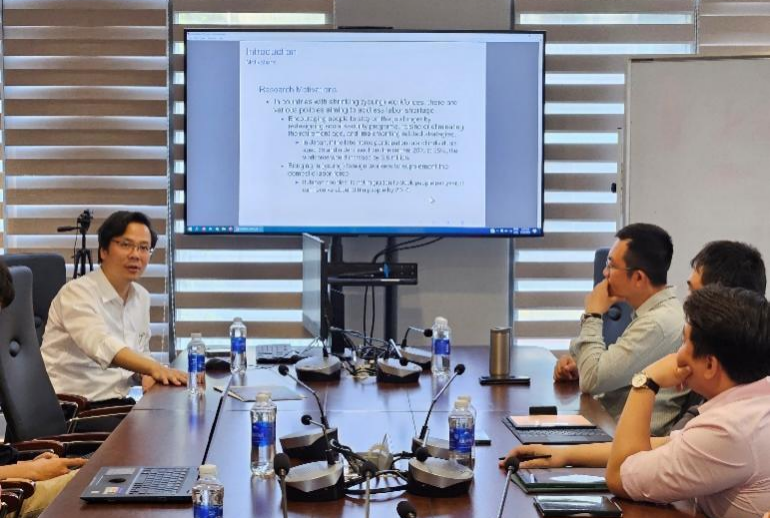
Including the seminar series was the topic “Mental Health Impacts of Increasing the Full Retirement Age in the United States,” presented by PhD candidate Tran Thi Phu Duyen. Using longitudinal data from the Health and Retirement Study (HRS) for the period 1994–2020, the study provided important empirical evidence clarifying the relationship between labor policy and mental health among older adults.
Concluding a year marked by significant achievements, the HAPRI Seminar series not only disseminated academic knowledge but also reinforced HAPRI’s role as a bridge between research and policy. Entering the new year, HAPRI will continue to expand in-depth academic forums, strengthen international connections, and promote applied research, thereby contributing more effectively to sustainable agriculture, food security, and community well-being, in alignment with the Sustainable Development Goals in the coming period.
New, photos: Health and Agricultural Policy Research Institute (HAPRI)
![[UEH 50] JABES Launches Special Issue Celebrating the 50th Anniversary of UEH: 12 Research Papers Accompanying Vietnam's Development Issues](/images/upload/thumbnail/ueh-thumbnail-639283721313299577.png)
![[UEH Through the Lenses of Time #01] UEH 50 Years: From the Classroom Window to the Aspiration to Contribute](/images/upload/thumbnail/ueh-thumbnail-639282664984784994.png)
![[UEH Through the Lenses of Time #02] School of Mathematics - Statistics: Generations of Deans and the Journey of Continuation](/images/upload/thumbnail/ueh-thumbnail-639282663344912443.png)
![[UEH Through the Lenses of Time #03] Half a Century, A Journey & Hundreds of Thousands of Hearts](/images/upload/thumbnail/ueh-thumbnail-639282661905215411.png)
![[UEH Through the Lenses of Time #04] Simple Frames: Keepsakes, Teachers, and Everyday Memories of Generations of UEHers](/images/upload/thumbnail/ueh-thumbnail-639282660641392168.png)