Beyond Building Roads: Vietnam Needs a New Generation to Operate the Future of Smart Mobility
14 tháng 07 năm 2026



“The future competitiveness of nations will not be determined by who builds more infrastructure, but by who has the human capital needed to operate those systems more effectively.”
- New UEH Publications Alert (Tuần 4 – Tháng 03/2026): Dấu ấn liên ngành từ công nghệ xanh, kinh tế vĩ mô đến quản trị bền vững
- Ready For Next: Nhìn lại hội thảo khoa học quốc tế “A Future Resilience Through Smart City Lens (FR)”
- Ready for Next: Hội thảo khoa học quốc tế - A Future Resilience through Smart City Lens (FR)
“The future competitiveness of nations will not be determined by who builds more infrastructure, but by who has the human capital needed to operate those systems more effectively.”
In the summer of 2026, many European countries experienced heatwaves exceeding 40°C, forcing numerous high-speed rail, metro, and public transport services to reduce operating speeds, adjust schedules, or temporarily suspend operations to ensure safety. These events demonstrate that even the world’s most advanced transport systems are facing new challenges arising from climate change, urbanisation, and growing mobility demand (European Commission, 2025; European Union Agency for Railways [ERA], 2026).
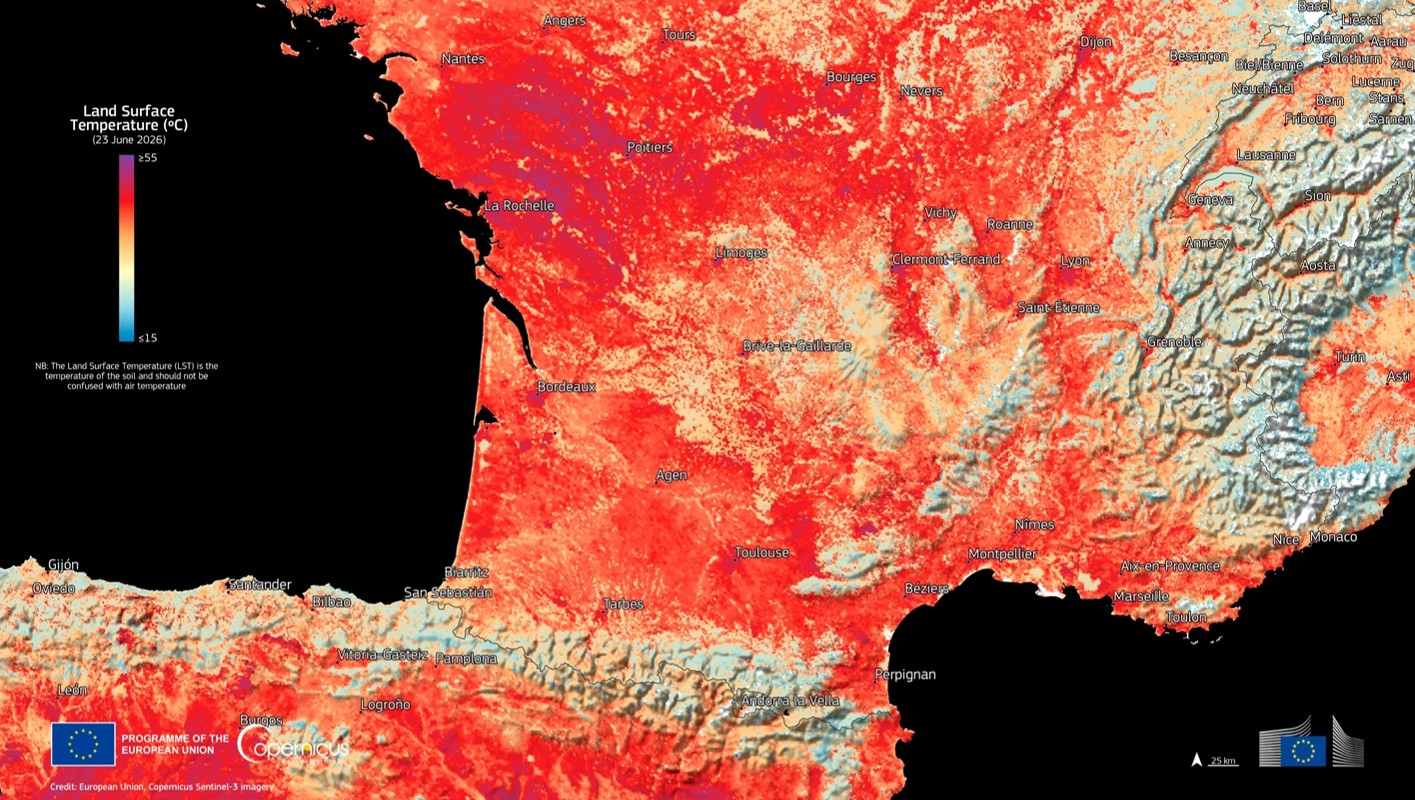
Figure 1. Prolonged extreme heat across Europe in June 2026
Source: European Commission, 2026
Notably, the issue is no longer simply about constructing additional infrastructure. The major challenge today is how to operate increasingly complex transport systems safely, efficiently, and sustainably through the effective use of technology and data (European Commission, 2025; International Union of Railways [UIC], 2025). Consequently, many countries have begun shifting their focus from infrastructure development towards developing a workforce capable of managing, coordinating, and optimising entire transport systems using technology and data.
Vietnam is now entering this same transition.
From “Infrastructure Construction” to “System Management”
Over the next two decades, Vietnam is expected to implement a wide range of large-scale transport infrastructure projects simultaneously, including the North–South high-speed railway, metro systems in Hanoi and Ho Chi Minh City, Long Thanh International Airport, national gateway seaports, and rapidly expanding logistics and intelligent transport networks (National Assembly of Vietnam, 2024; Government of Vietnam, 2025).
However, construction is only the beginning.
The true value of these projects will only be realised when they are operated reliably, integrated seamlessly, and continuously optimised over the decades that follow. This raises an entirely new question:
Who will operate Vietnam’s smart mobility systems in the future?
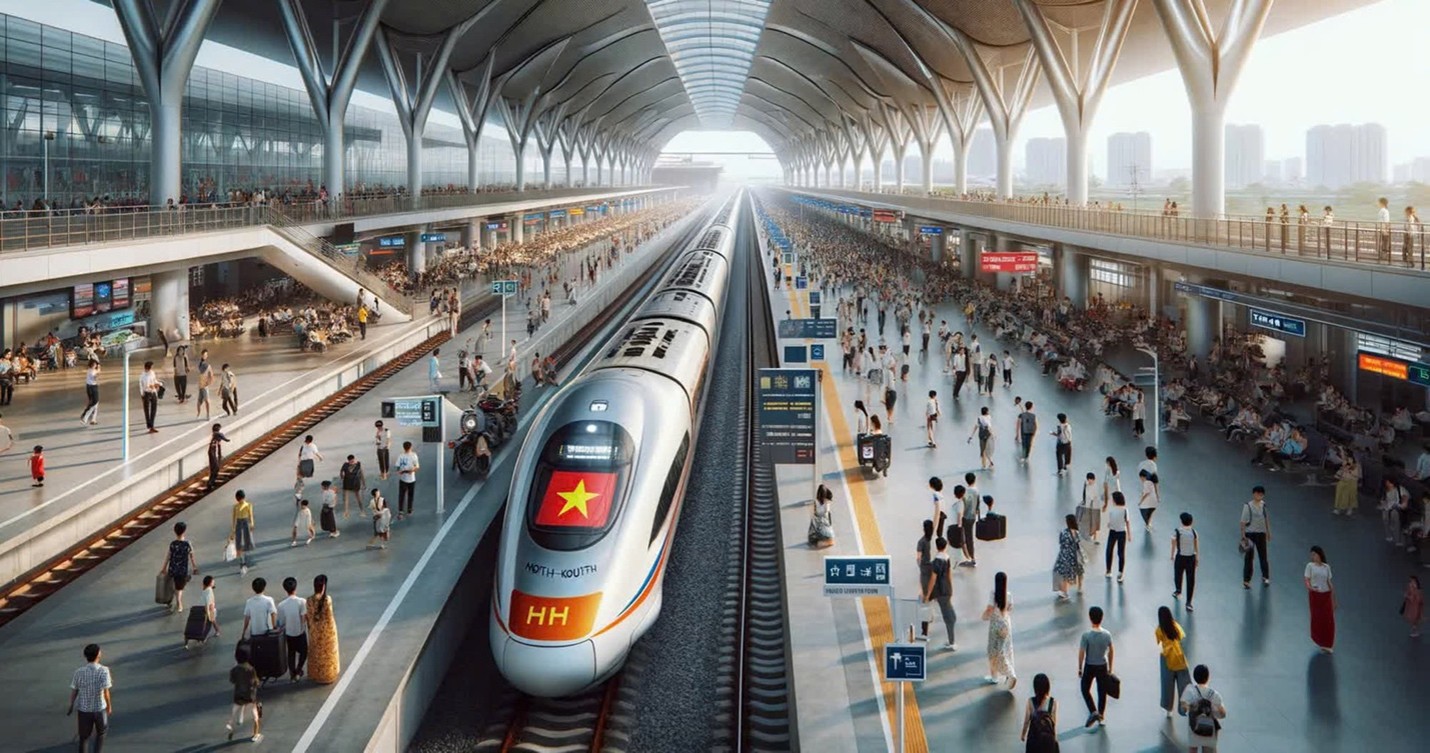
Figure 2. Illustration of the North–South high-speed railway
Source: https://xaydungchinhsach.chinhphu.vn
According to Assoc. Prof. Dr. Trinh Tu Anh, Director of the Institute of Smart City and Management (ISCM), this will be one of the greatest challenges facing Vietnam’s transport sector in the coming period. While the sector previously relied primarily on engineers who designed and constructed infrastructure, the future will require an entirely new workforce: professionals capable of managing systems, analysing data, coordinating operations, and making real-time decisions.
An Entirely New Labour Market Is Emerging
Recognising this need, the Government has approved the Scheme for Training and Developing Vietnam’s Railway Workforce through 2035, with a vision to 2045. The scheme aims to train at least 105,000 personnel to support national and urban railway systems (Prime Minister of Vietnam, 2025).
Significantly, more than 50,000 of these positions are expected to be in system operation, management, service delivery, and maintenance. This reflects a clear shift in labour demand from “infrastructure construction” towards “operations management.”
This trend is also consistent with global developments.
Advances in artificial intelligence (AI), the Internet of Things (IoT), digital twins, big data, autonomous vehicles, and Mobility-as-a-Service (MaaS) platforms are creating a new generation of professions that scarcely existed in the past (European Commission, 2025; UIC, 2025), including:
Intelligent transport control centre operations specialists;
Metro and high-speed rail system management specialists;
Real-time transport data analysts;
Digital twin specialists for transport and urban systems;
Smart logistics and supply chain management specialists;
Mobility-as-a-Service platform development specialists;
Smart mobility policy and planning specialists.
These are not merely jobs of the future. They are also positions that are expected to face severe shortages when Vietnam begins operating multiple modern transport systems simultaneously.
BMOM – Educating Today for the Jobs of the Next 10–20 Years
Rather than waiting until labour shortages emerge before beginning to train the necessary workforce, the University of Economics Ho Chi Minh City (UEH) has adopted a different approach: anticipating the growth of the mobility economy.
As one of the universities assigned by the Government to contribute to workforce development for Vietnam’s national railway programme, UEH has defined a distinctive role. Instead of training civil engineers to construct transport infrastructure, UEH focuses on developing professionals capable of managing, coordinating, and operating smart mobility systems in the context of digital transformation and smart urban development (Prime Minister of Vietnam, 2025).
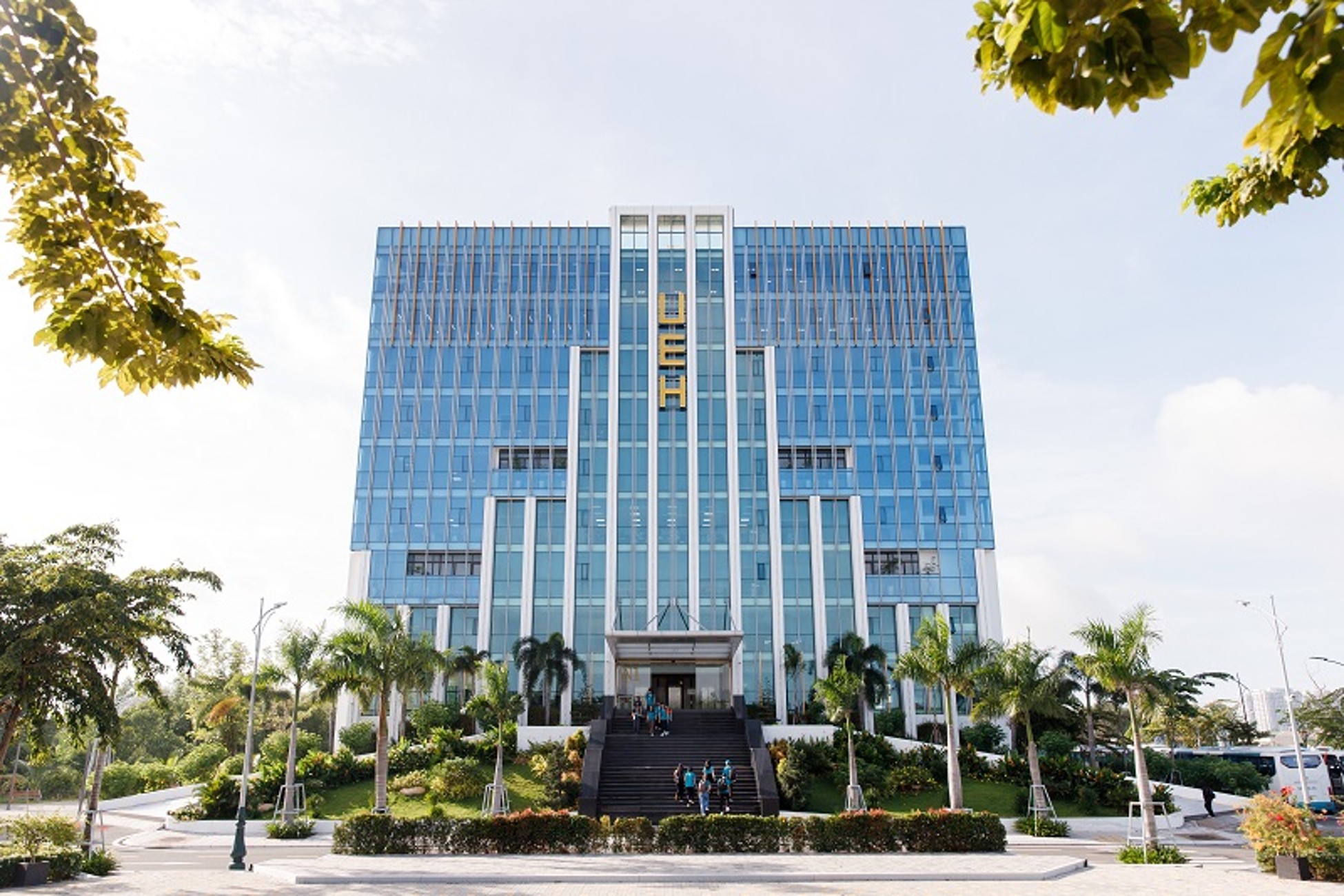
Figure 3. UEH Campus N
Based on this strategic direction, UEH has developed the Bachelor of Mobility Operations and Management (BMOM) programme.
According to Dr. Pham Nguyen Hoai, Director of the BMOM programme, rather than approaching each transport mode in isolation, BMOM views transport as an integrated mobility system in which technology, data, logistics, economics, and management are connected to optimise the operational performance of the entire network. This integrated perspective is also the most important distinction between BMOM and conventional transport education programmes.
Learning with Industry and Solving Real Urban Challenges
BMOM is designed around a closely integrated educational model involving the university, industry partners, and government agencies.
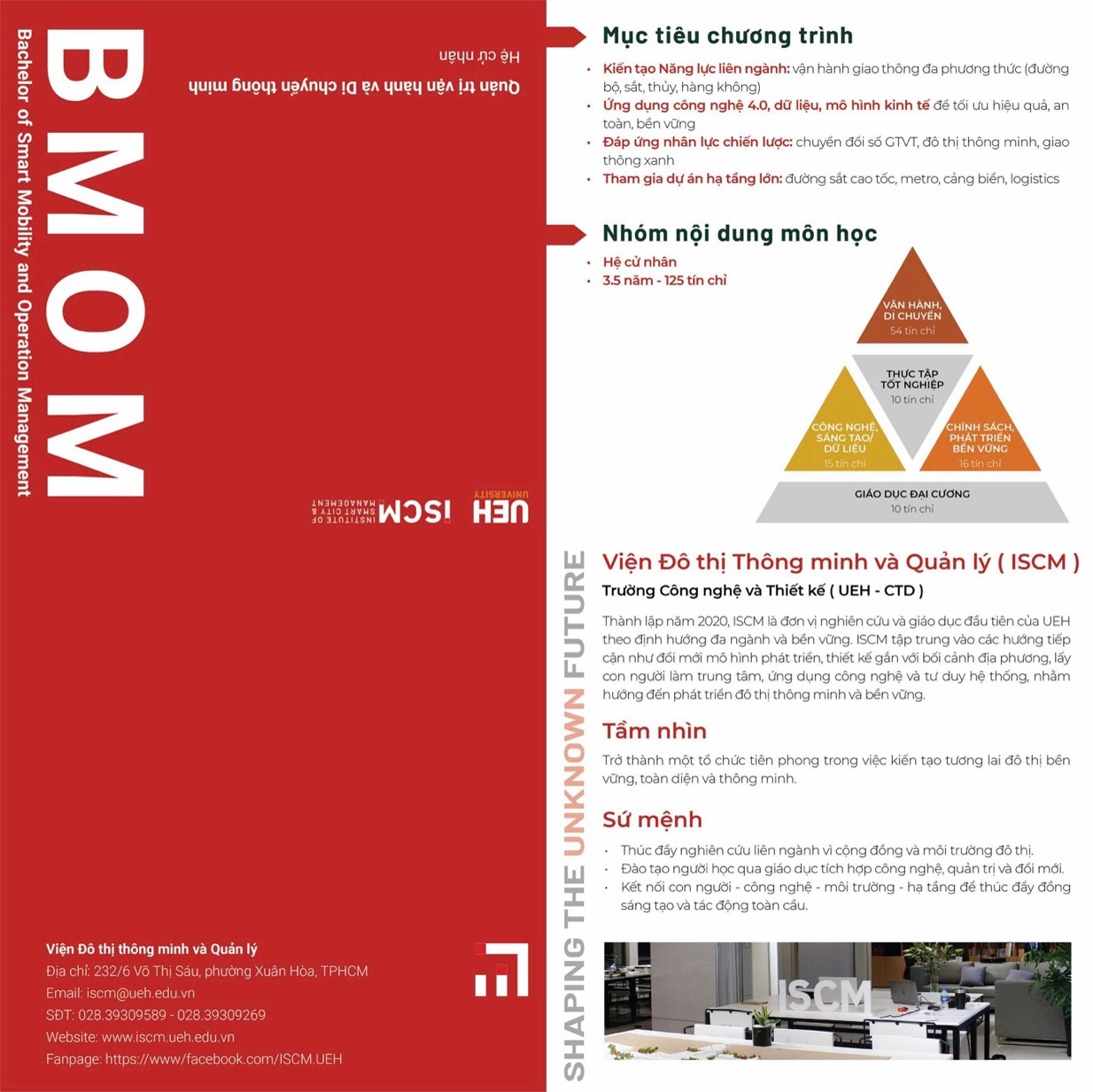
Figure 6. BMOM programme information flyer
Students not only acquire theoretical knowledge but also participate in real-world projects through the MOVE System at the Institute of Smart City and Management (ISCM), including:
The SEE Living Lab for road safety;
The Smart Mobility Lab for intelligent transport;
CE-Rail@UEH for railway systems and logistics.
Within these environments, students directly apply virtual reality, digital twin technology, AI, and big data to simulate, assess, and optimise transport solutions before they are implemented in real-world settings.
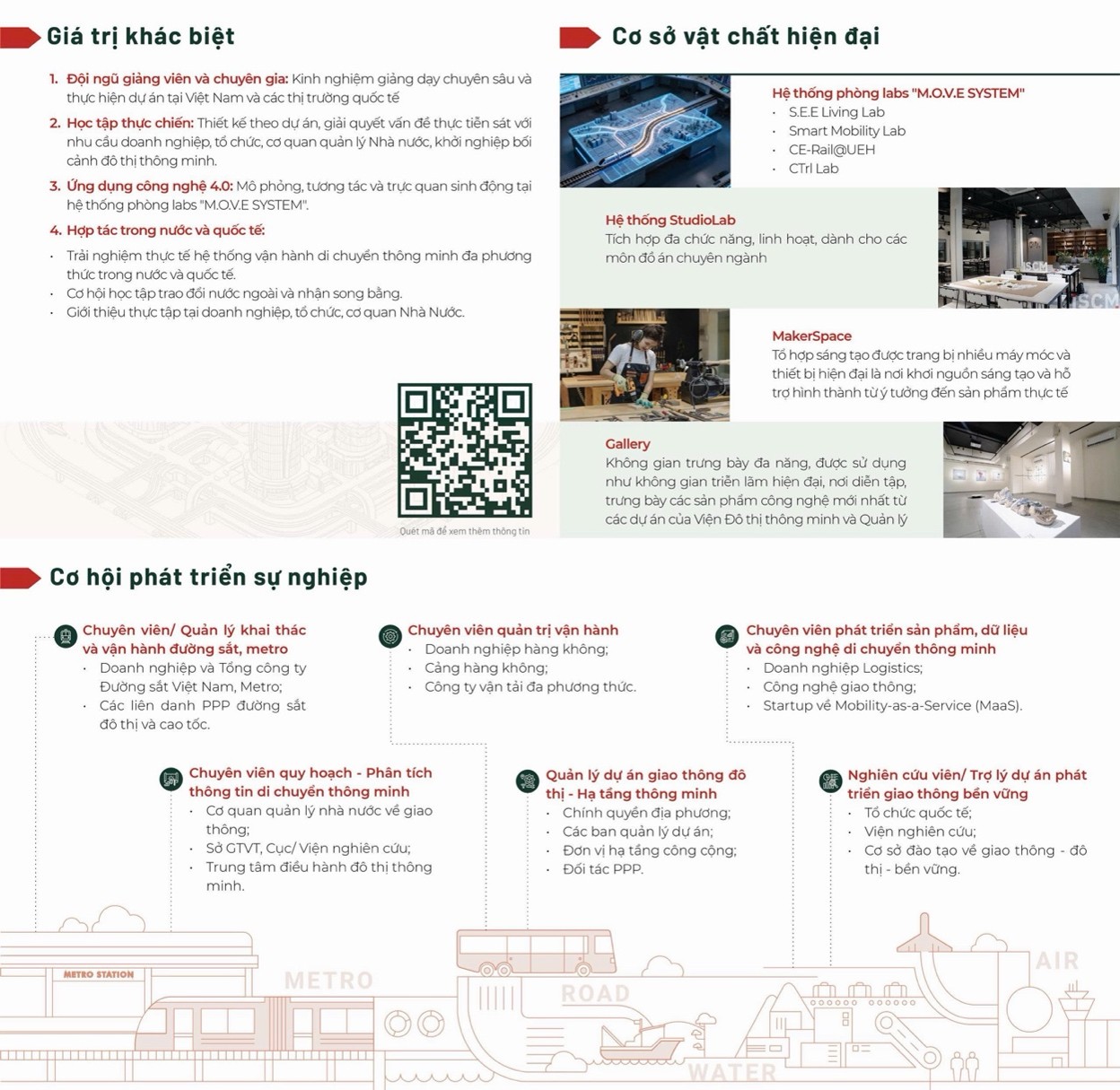
Figure 7. BMOM programme information flyer (continued)
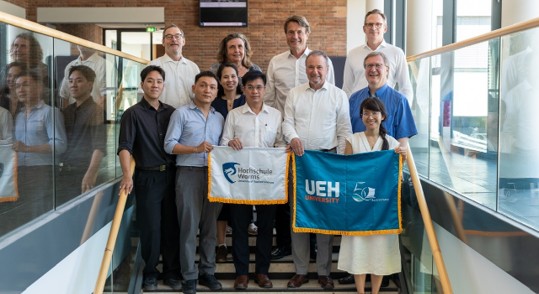
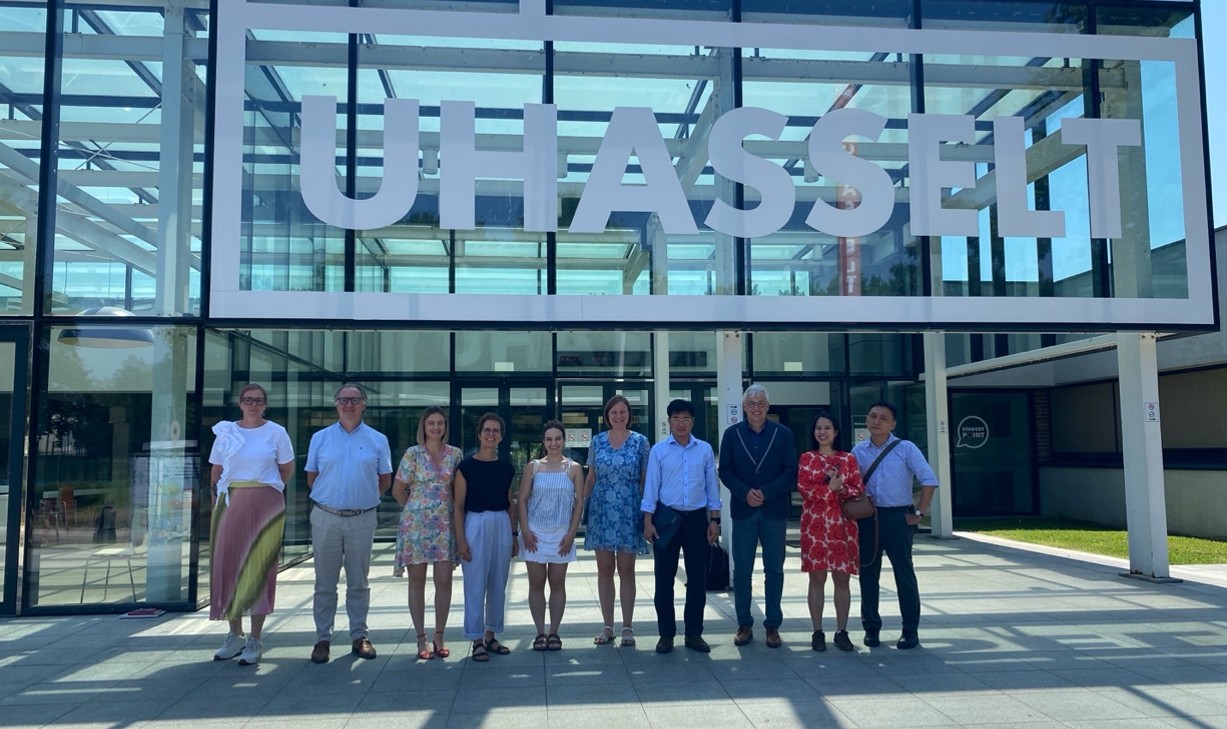
In addition to the programme’s foundational curriculum, students may select specialised minors in strategic transport fields. These include aviation, supported through collaboration with universities and partners in Germany such as Worms University of Applied Sciences; railway systems, through cooperation with Woosong University in South Korea; maritime transport, through partnerships with Korea Maritime & Ocean University and National Taiwan Ocean University; road safety, in collaboration with Hasselt University in Belgium; and public transport and demand-responsive transport through cooperation networks such as the K-City Network in South Korea.
Throughout the programme, students engage in project-based learning, are introduced to internship opportunities in industry, and may participate in short-term exchange programmes at companies and universities within UEH’s domestic and international partner network.
Developing the Workforce to Operate the Future
The world is entering the era of smart mobility, in which data, artificial intelligence, and digital connectivity will form the foundation of every transport system.
For Vietnam, the opportunity lies not only in constructing modern infrastructure, but also in developing a workforce with the capabilities required to operate and fully utilise that infrastructure effectively for decades to come.
BMOM was established precisely for this purpose.
Ultimately, a nation’s competitive advantage is determined not only by the bridges, metro lines, or high-speed railways it constructs, but also by the people who are capable of operating, integrating, and continuously innovating those systems.
Those people will be the ones who shape the future of smart mobility in Vietnam.
Chia sẻ