
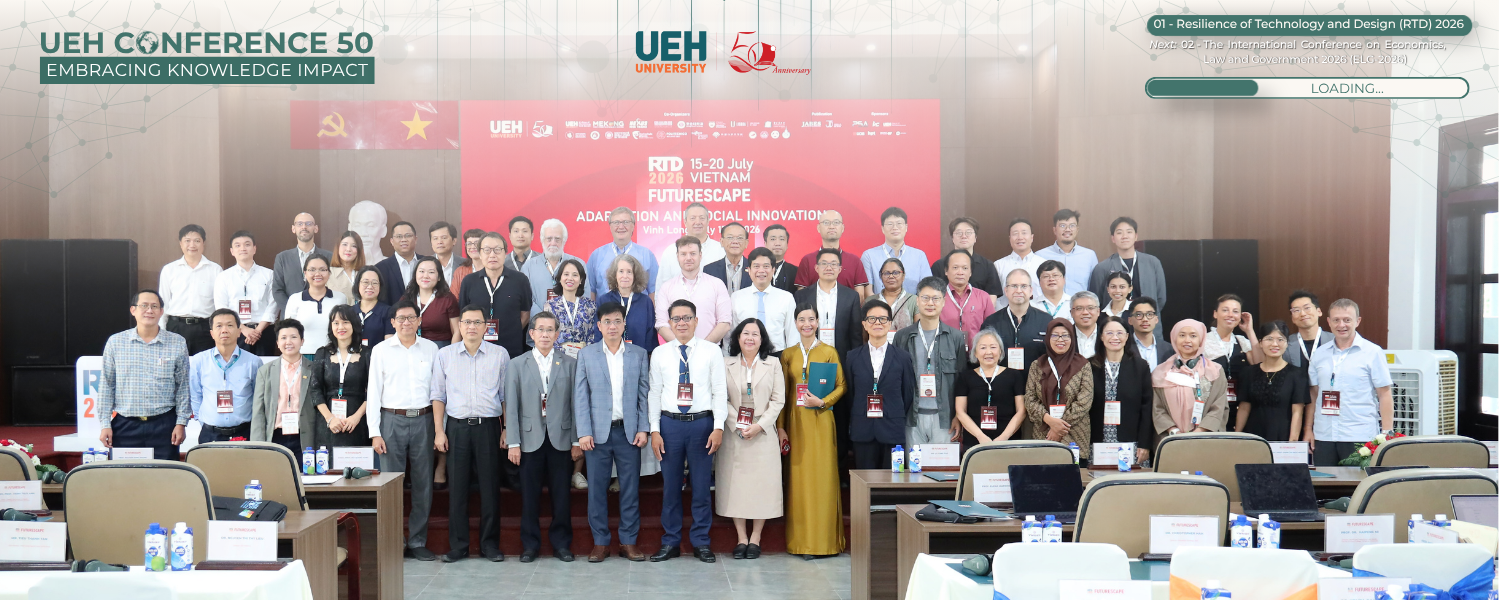
RTD 2026 at UEH Mekong: Connecting Global Knowledge - Co-creating a Sustainable Future for the Mekong Delta
22 Jul, 2026
RTD 2026 is a biennial conference jointly organized by the UEH College of Technology and Design (CTD), UEH Mekong, and UEH Nexus Nha Trang in collaboration with 18 international partner universities from Italy, Australia, the Republic of Korea, Macao (China), Taiwan, Singapore, Japan, and other countries and territories. In 2026, the conference took place from July 15 to 20 at three locations: Ho Chi Minh City, the Mekong region (UEH Mekong and Can Tho), and Nha Trang. These were not merely three conference venues, but also represented three development hubs in which UEH is actively engaged; this connection created the distinctive value of RTD 2026. At UEH Mekong, the conference brought together more than 300 domestic and international delegates, including scientists, experts, policymakers, business representatives, and students, to connect knowledge, promote interdisciplinary cooperation, and jointly propose solutions for climate change adaptation, social innovation, and the sustainable development of the Mekong Delta. The program featured three keynote speeches and 15 scientific papers presented by experts from UEH and universities and research institutions in Vietnam and abroad during the plenary session, three special sessions, and four parallel sessions.
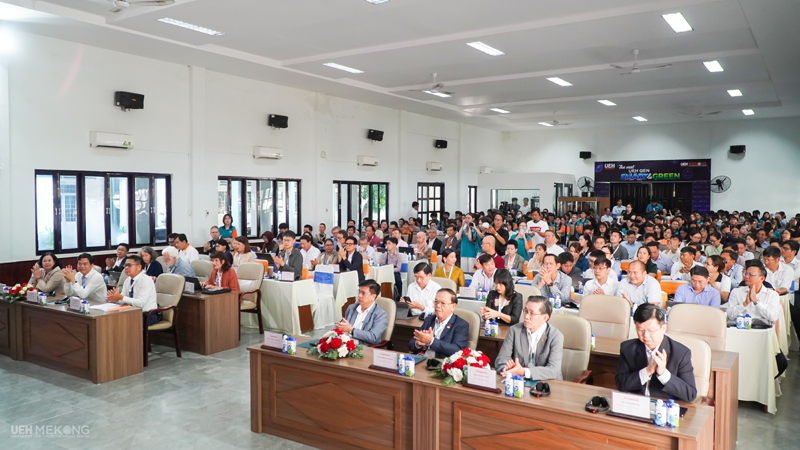
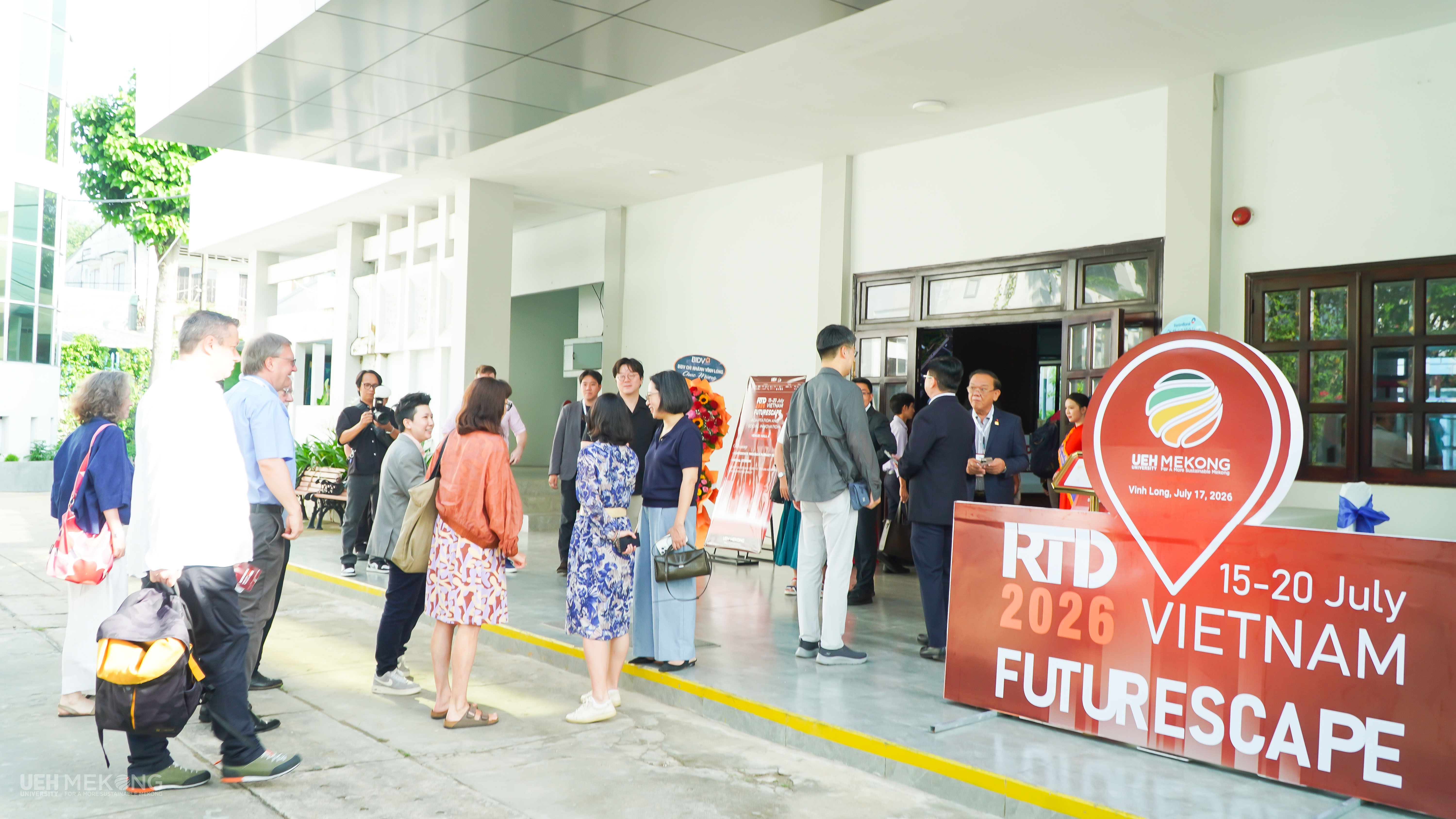
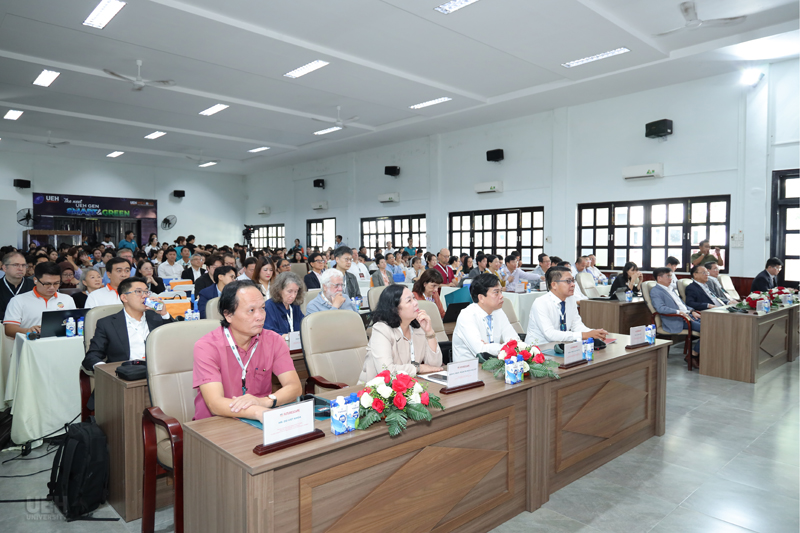
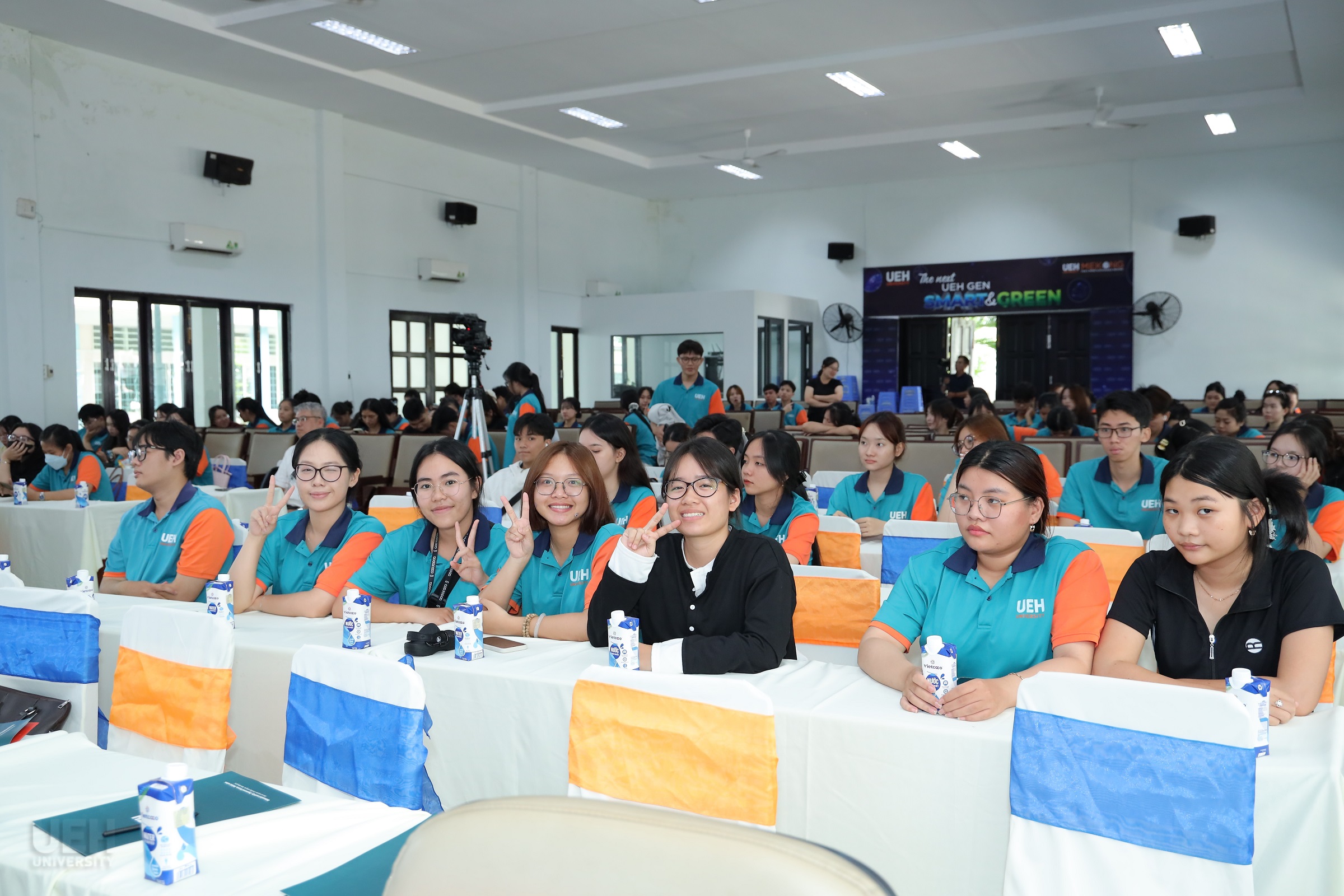
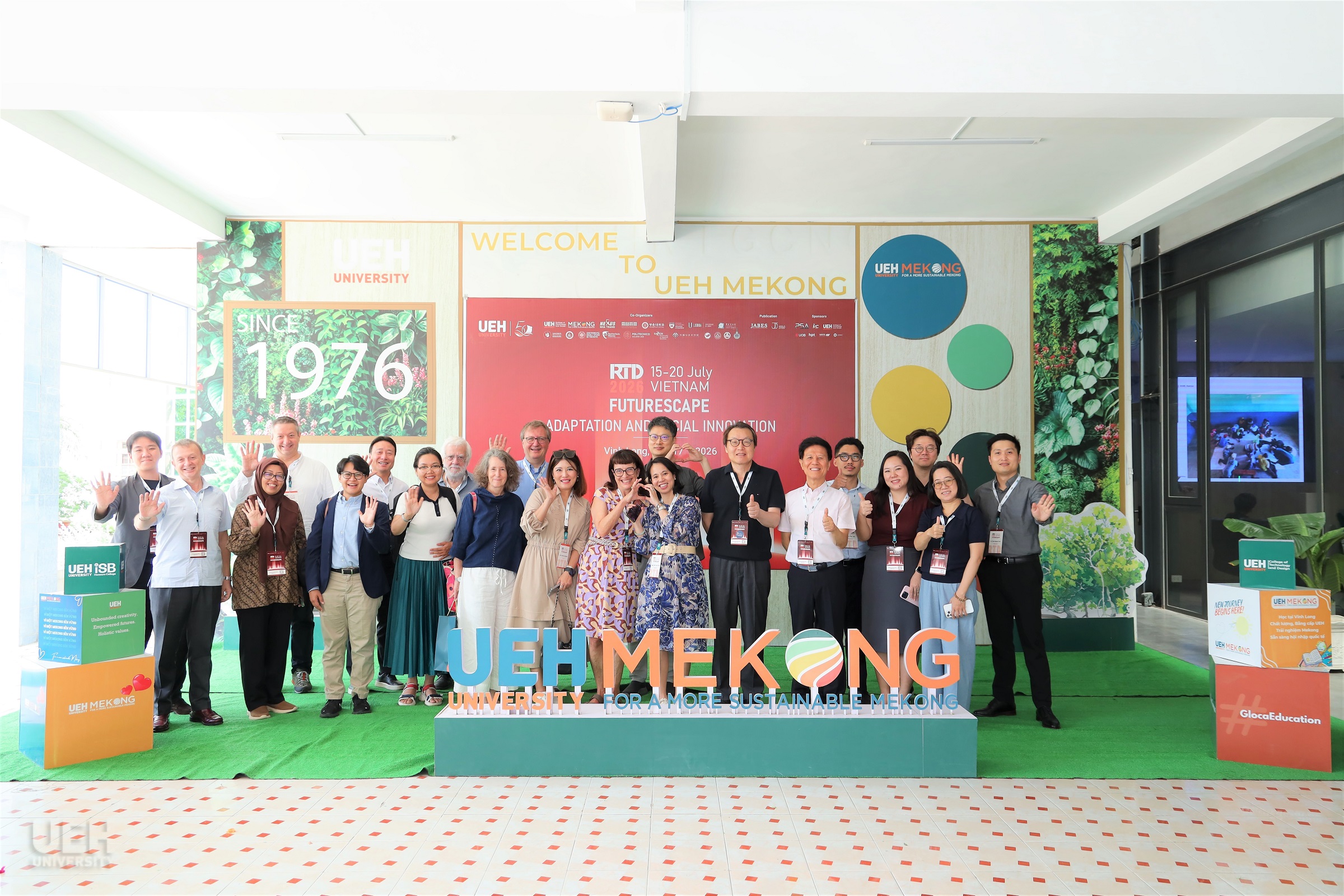
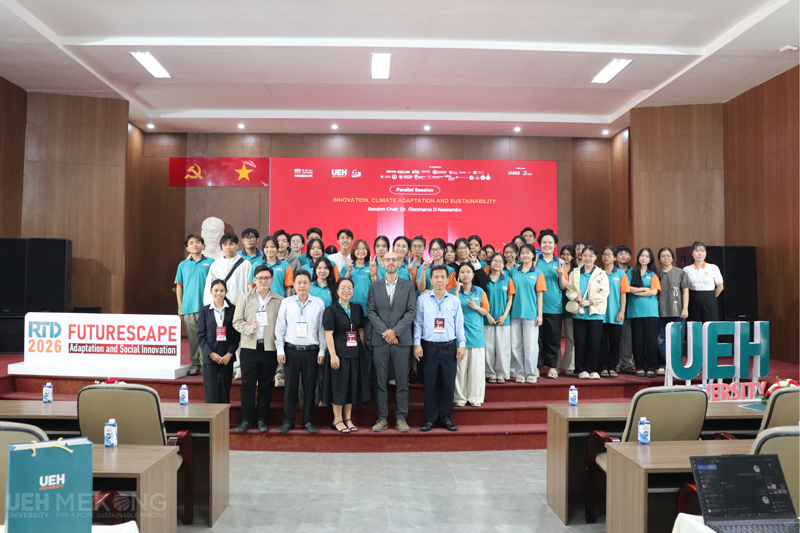
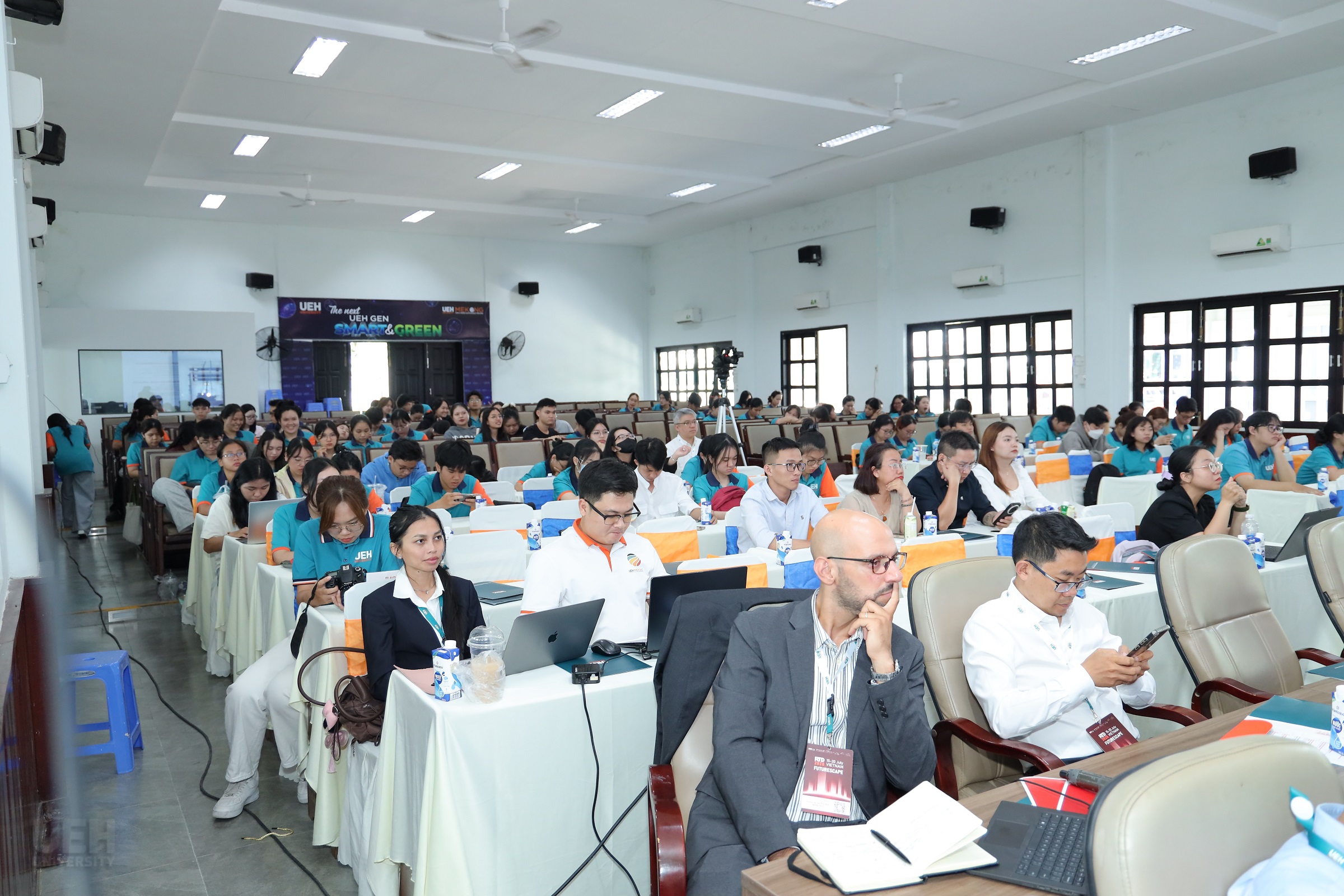
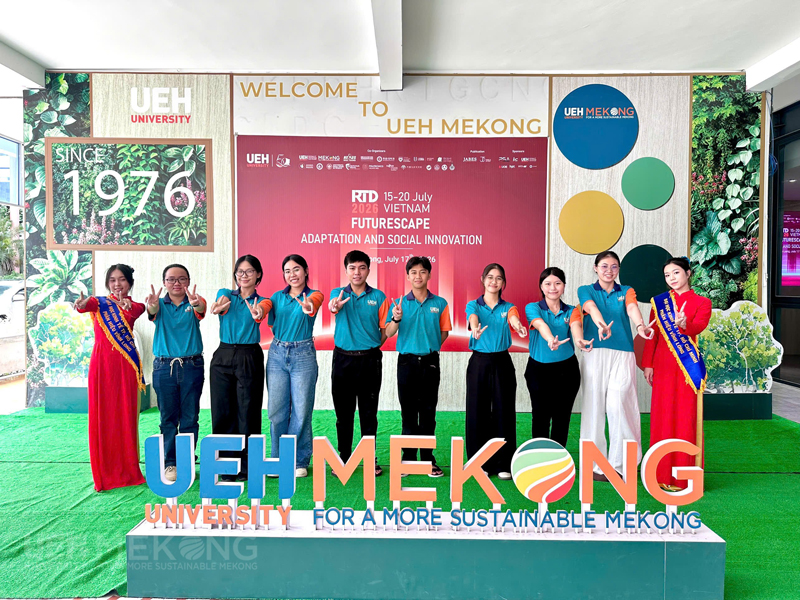
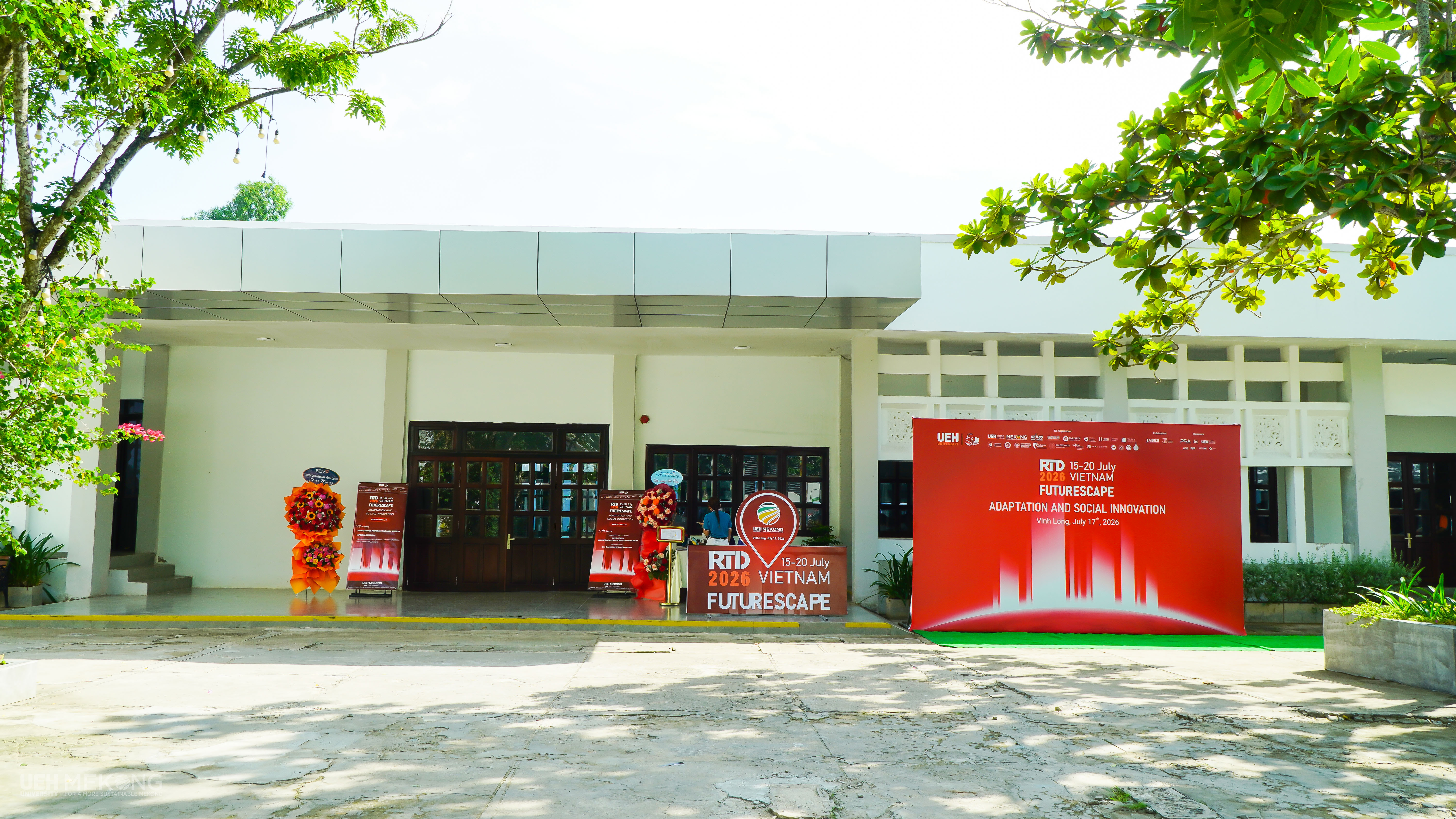
Overview of the 2026 International Conference on Resilience by Technology and Design (RTD 2026), under the sub-theme “FutureScape: Adaptation and Social Innovation,” held at UEH Mekong on July 17, 2026
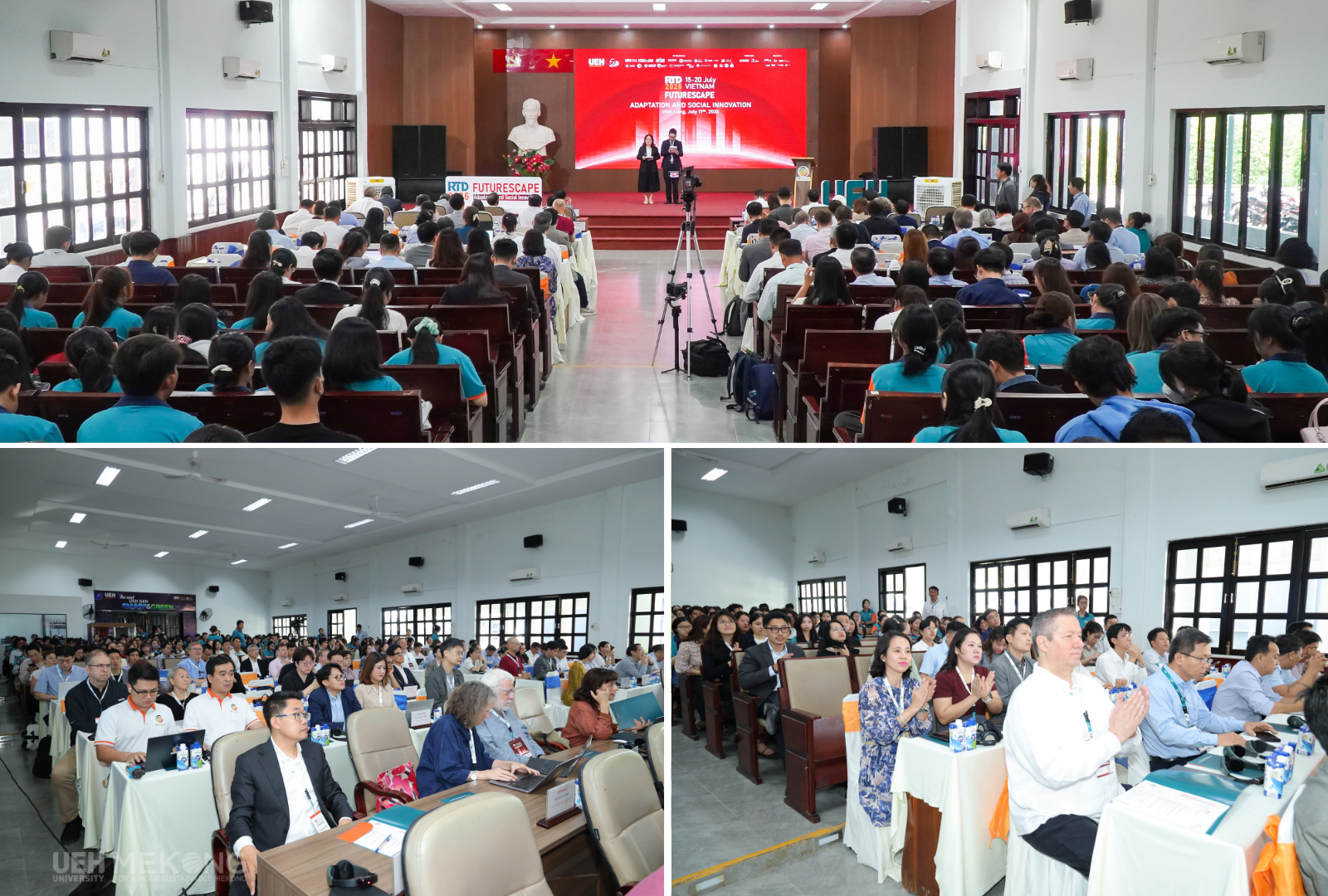
Opening session of the 2026 International Conference on Resilience by Technology and Design (RTD 2026), under the sub-theme “FutureScape: Adaptation and Social Innovation,” held at UEH Mekong on July 17, 2026
The conference was attended by Mr. Lu Cong Tao, Deputy Secretary of the Party Committee of the People’s Committee of Vinh Long Province, together with leaders of departments and agencies from Vinh Long Province and other Mekong Delta provinces. Representing the University of Economics Ho Chi Minh City (UEH) were Associate Professor Bùi Quang Hùng, President of UEH and Chair of RTD 2026; Dr. Đinh Công Khải, Vice President of UEH; leaders of UEH’s member colleges, branch campus, affiliated units, faculty members, and experts. The conference also welcomed distinguished domestic and international keynote speakers, including Professor Elena Marchigiani, Department of Engineering and Architecture, University of Trieste, Italy; Professor Bruno De Meulder, Glocal Expert at the Institute of Smart City and Management, CTD-UEH; Professor Kelly Shannon, Glocal Expert at the Institute of Smart City and Management, CTD-UEH; and Dr. Hoang Phi Long, Institute of Smart City and Management, CTD-UEH, and the Earth Systems and Global Change Group, Wageningen University.
Delivering the opening remarks, Assoc. Prof. Bui Quang Hung, President of UEH and Chair of RTD 2026, emphasized that: Facing the increasingly complex challenges of the world, exchanging, cooperating, and sharing knowledge is the foundation for creating sustainable development solutions. If the previous focus was on finding ways to cope with fluctuations, today, it is more important to jointly shape the future through interdisciplinary thinking and social innovation. In that spirit, RTD 2026 was organized not only as an academic forum connecting global knowledge but also focusing on solutions to enhance adaptive capacity, foster social innovation, and promote sustainable development for the Mekong Delta. The President expressed his expectation that the Conference would open up new perspectives, promote interdisciplinary and transdisciplinary research, strengthen domestic and international cooperation, and concurrently generate practical initiatives, contributing to the motivation for sustainable development of the Mekong Delta, Vietnam, and the region.
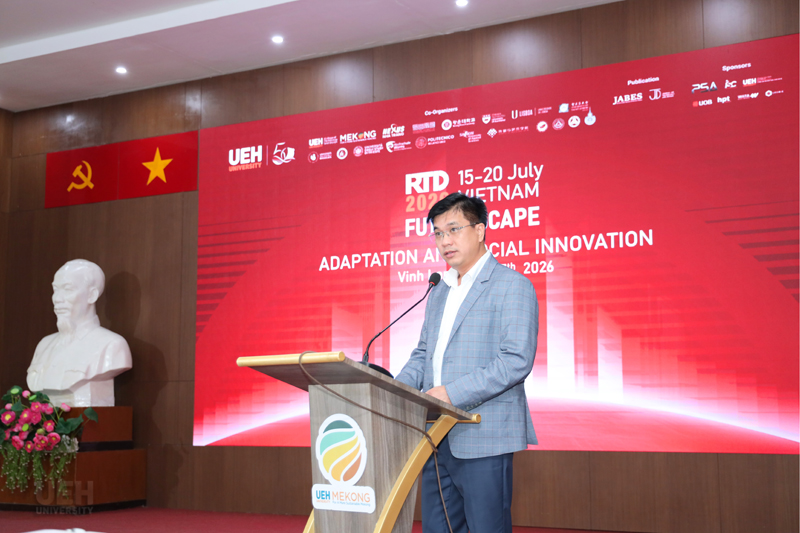
Assoc. Prof. Bui Quang Hung - President of UEH delivered the opening remarks
Welcoming the conference, Mr. Lu Cong Tao - Deputy Secretary of the Party Committee of the People’s Committee of Vinh Long Province, stated: “The selection of Vinh Long as the host location for the RTD 2026 International Conference under the theme ‘Adaptation and Social Innovation’ is both a pleasure and an opportunity for the locality to exchange experience with scientists and international experts on the development of the Mekong Delta.” He affirmed that the province regards science and technology, innovation, digital transformation, green transition, and regional cooperation as important development drivers. He also expressed the expectation that the conference would generate valuable directions and solutions, leading to concrete cooperation programs that address local development needs.
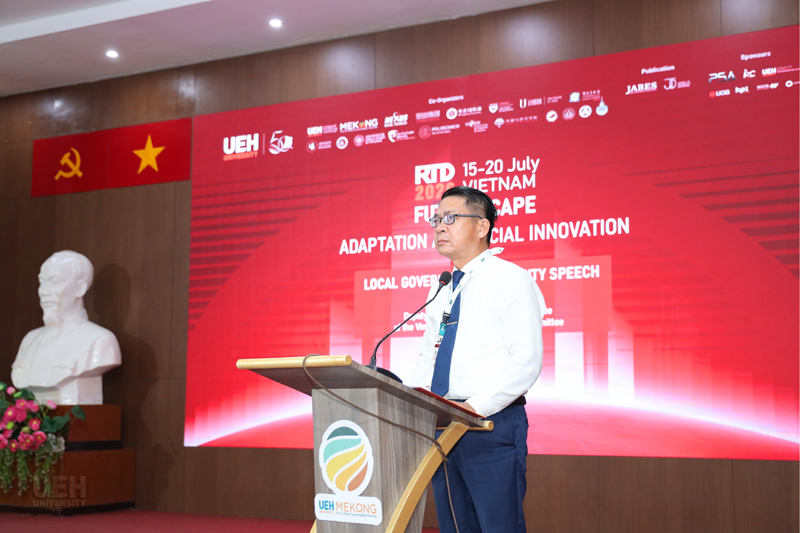
Mr. Lu Cong Tao, Deputy Secretary of the Party Committee of the People’s Committee of Vinh Long Province, delivered the welcome addres
Going beyond academic presentations, RTD 2026, organized by the University of Economics Ho Chi Minh City (UEH), became a multidimensional forum where policymakers, international scholars, and communities jointly explored solutions to the challenge of sustainable development in the Mekong Delta.
During the conference, domestic and international speakers focused on four major areas: (1) Climate change adaptation and ecosystem restoration; (2) Transformation of agricultural development models and the green economy; (3) Applications of artificial intelligence, data, and technology in regional development; and (4) Urban planning, infrastructure, and social innovation.
From the strategies of local leaders to the vision of inter-regional connection
At the opening of the forum, local policymakers provided a clear and practical account of the challenges and opportunities facing the Mekong Delta. Their key presentations laid the foundation for a new development mindset: moving from “coping” to “proactive adaptation.”
Delivering the speech “Nature-Based Economy and Coastal Ecosystem Restoration in Ca Mau: A Foundation for Climate Change Adaptation,” Mr. Do Viet Khoa, Deputy Head of the Department of Seas, Islands and Fisheries Surveillance under the Department of Agriculture and Environment of Cà Mau Province, offered practical insights into the restoration of Cà Mau’s coastal ecosystems as a vital foundation for climate change adaptation.
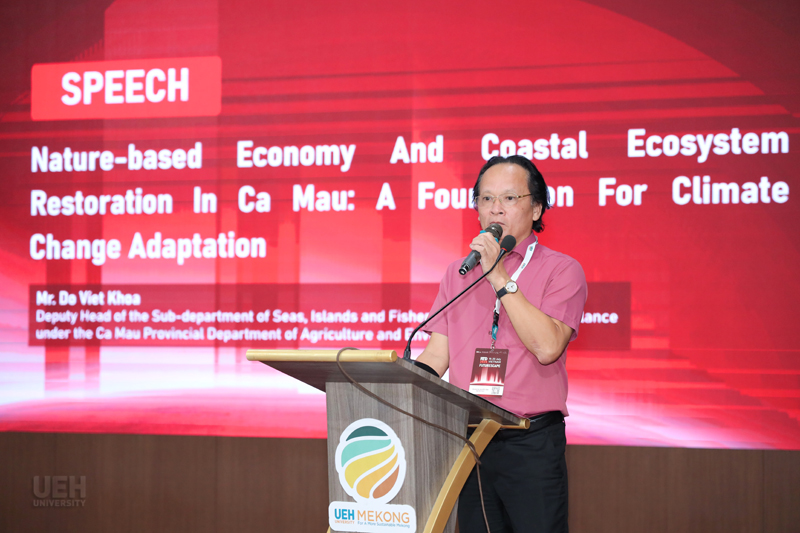
Mr. Do Viet Khoa, Deputy Head of the Department of Seas, Islands and Fisheries Surveillance under the Department of Agriculture and Environment of Ca Mau Province, delivered the presentation “Nature-Based Economy and Coastal Ecosystem Restoration in Cà Mau: A Foundation for Climate Change Adaptation”
With the speech “From Production to Value Creation: Transforming Agricultural Models and Developing Sustainable Value Chains in Vinh Long - Solutions and Policy Recommendations”, Assoc. Prof. Lan Van Tan - Director of the Vinh Long Provincial Department of Agriculture and Environment proposed breakthrough solutions to shift the agricultural model from “pure production” to “value creation” while concurrently building a sustainable value chain for the locality.
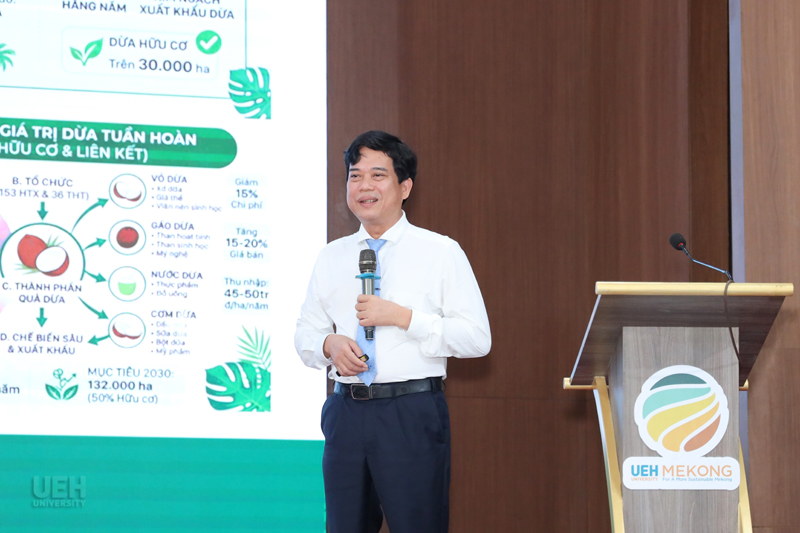
Assoc. Prof. Lam Van Tan, Director of the Vinh Long Provincial Department of Agriculture and Environment, delivered the presentation “From Production to Value Creation: Transforming Agricultural Models and Developing Sustainable Value Chains in Vinh Long - Solutions and Policy Recommendations”
The presentations clarified practical directions and solutions for developing a nature-based economy, restoring coastal ecosystems, adapting to climate change, transforming agricultural production models, and increasing value through sustainable value chains. In recognition of these meaningful contributions, Prof. Nguyen Dong Phong, Chairman of the UEH Strategic Development Council, presented appreciation gifts to the speakers during the plenary session.
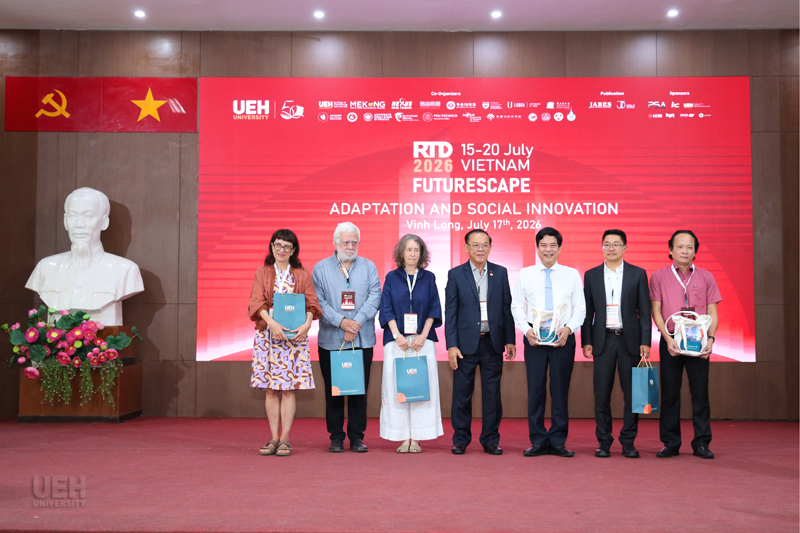
Prof. Nguyễn Đông Phong - Chairman of the UEH Strategic Development Council, presents appreciation gifts to the speakers at the plenary session
Building on these perspectives, international scholars and UEH experts broadened the discussion to the macro level. Presentations by Professor Elena Marchigiani (Trieste University), Professor Bruno De Meulder, Professor Kelly Shannon, and Dr. Hoang Phi Long converged on several connected themes: reconsidering the role of water-based mobility in climate adaptation; proposing new directions for transport systems and regional connectivity across the Mekong and Saigon-Dong Nai Deltas; and emphasizing the importance of interregional, interdisciplinary, and international cooperation through research-for-development projects focusing on green infrastructure, mobile technology, and blue carbon. Collectively, these presentations expanded perspectives on adaptive planning, sustainable infrastructure development, and resilience-building for the Mekong Delta.
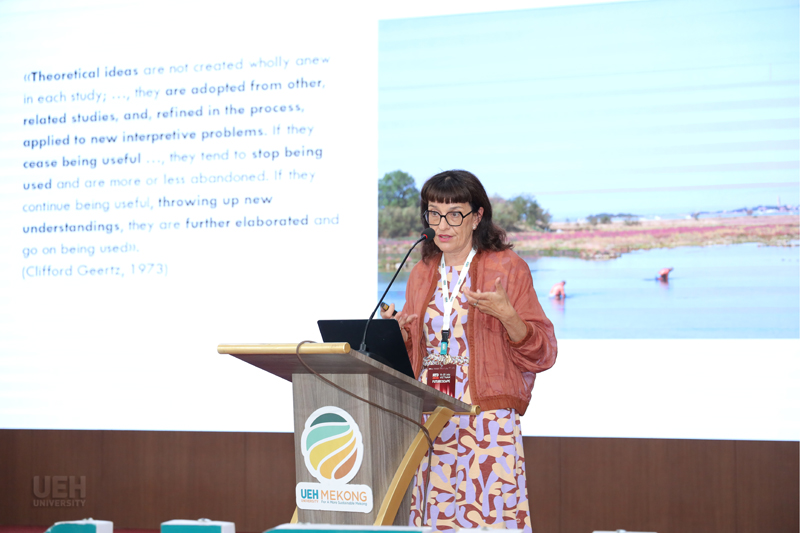
Prof. Elena Marchigiani - Deputy Director, Department of Engineering and Architecture, University of Trieste delivered the presentation "A View from the Sea: Rethinking Water Mobilities for Climate Adaptation"
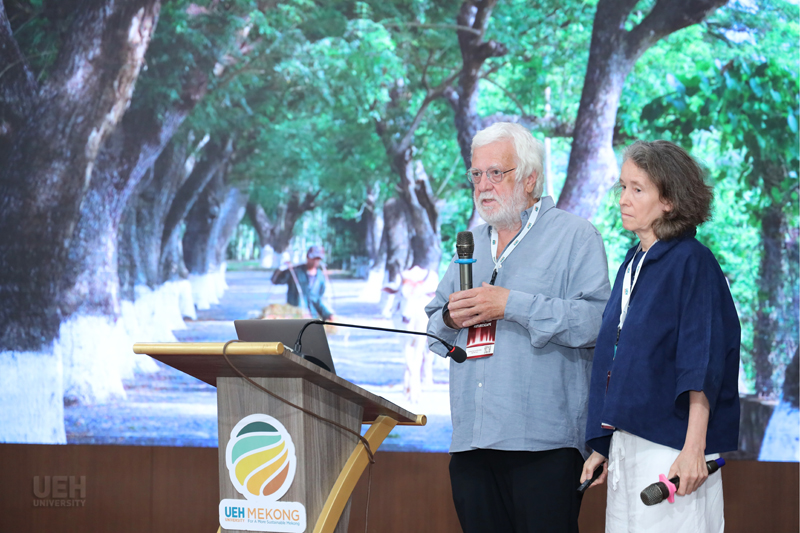
Prof. Bruno De Meulder and Prof. Kelly Shannon, Glocal Expert at the Institute of Smart Cities and Management, Ho Chi Minh City University of Economics (UEH) delivered the presentation "From Water to Asphalt and Back: Envisioning Future Mobility for the Mekong and Saigon-Dong Nai Deltas"
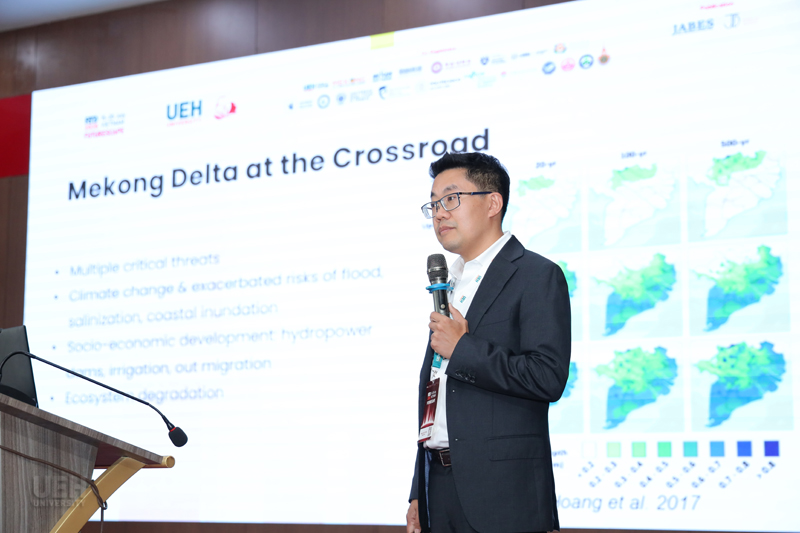
Prof. Hoang Phi Long - Lecturer at the Institute of Smart City and Management (ISCM), University of Economics Ho Chi Minh City (UEH) delivered the presentation "Regional collaborations for a prosperous and sustainable Mekong Delta. Insights from research-for-development projects on green infrastructure, mobile technology and blue carbon"
“Delta FutureScape”: Three Pillars for Shaping the Future
The focus of the conference is concretized by the special discussion series "Delta FutureScape", which delves into three strategic aspects with 03 special sessions with the focus topic:
Theme 1, “Delta FutureScape: Systemic Climate Adaptation and Community Design” was chaired by Dr. Huynh Van Khang of the Institute of Smart City and Management, CTD-UEH, with contributions from Dr. Gianmarco D’Alessandro, Dr. Doãn Văn Công, and Dr. Krupa Rajangam. The session focused on systemic climate adaptation and community design in the context of the Mekong Delta.
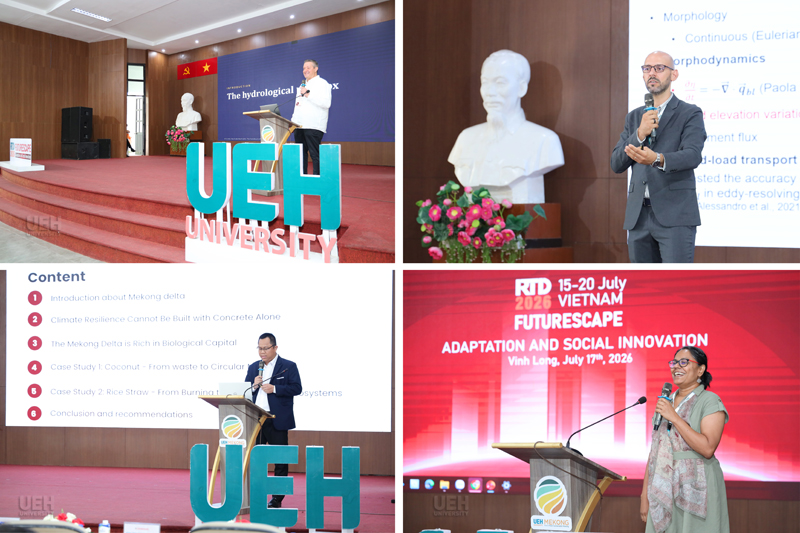
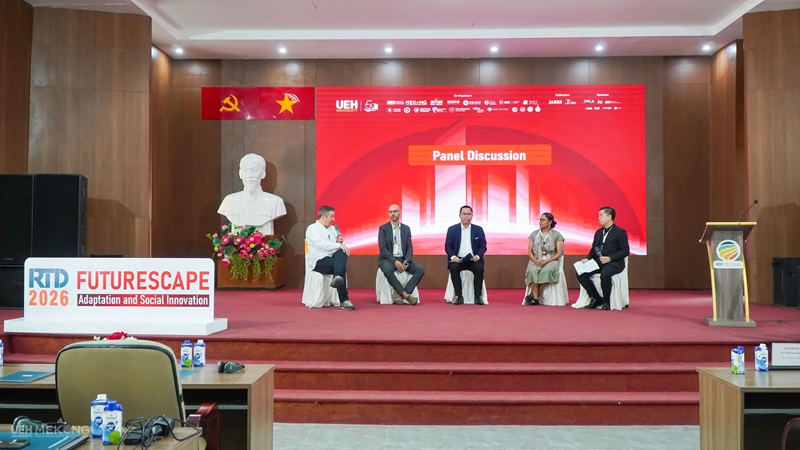
Special Session: “Delta FutureScape: Systemic Climate Adaptation and Community Design”
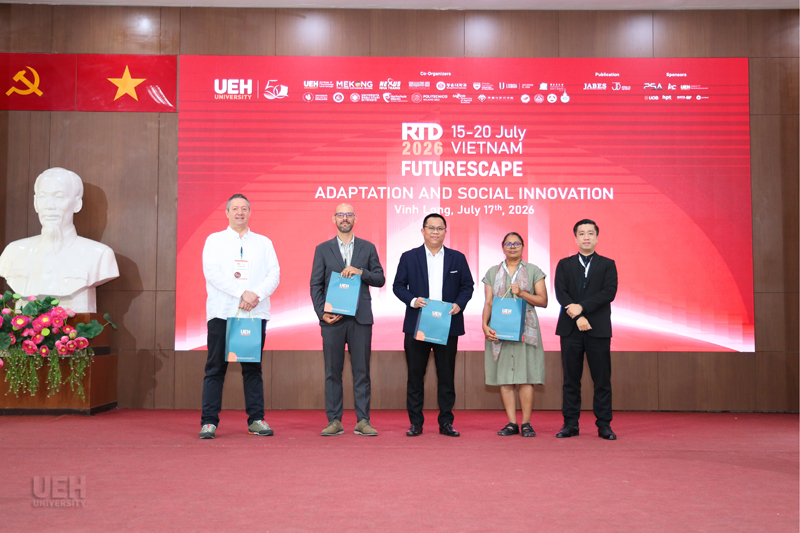
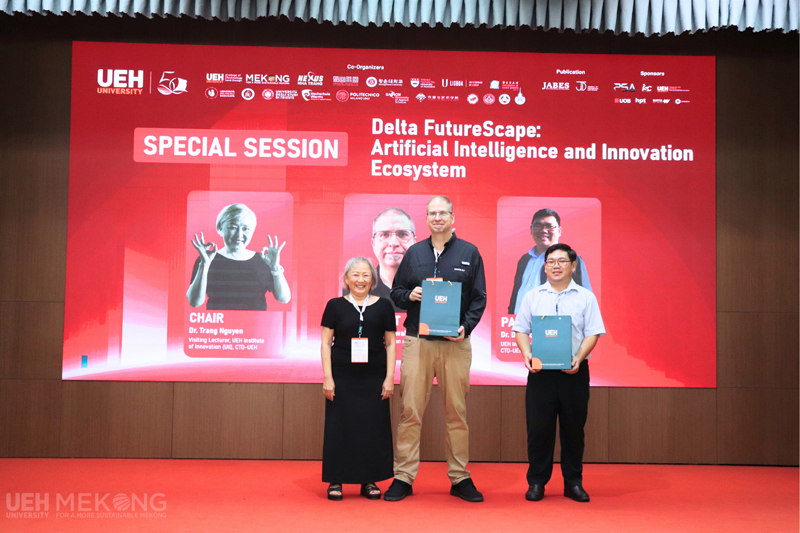
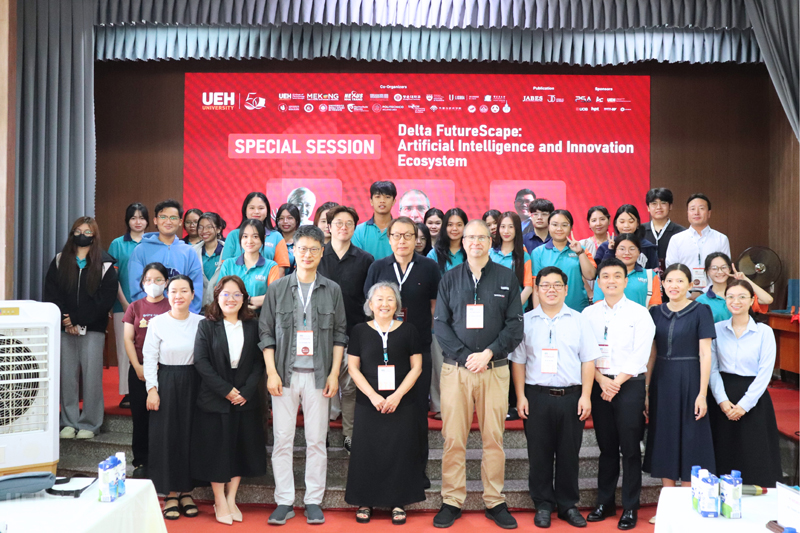
Theme 2, “Delta FutureScape: Artificial Intelligence and Innovation Ecosystem” was chaired by Dr. Trang Nguyen of Talential Vietnam. Faculty members from the Institute of Innovation, CTD-UEH, contributed presentations and facilitated the discussion, with participation from Dr. Andre Schwabe and Dr. Đỗ Đức Hào. The session examined the role of artificial intelligence and innovation ecosystems in shaping the future development of delta regions.
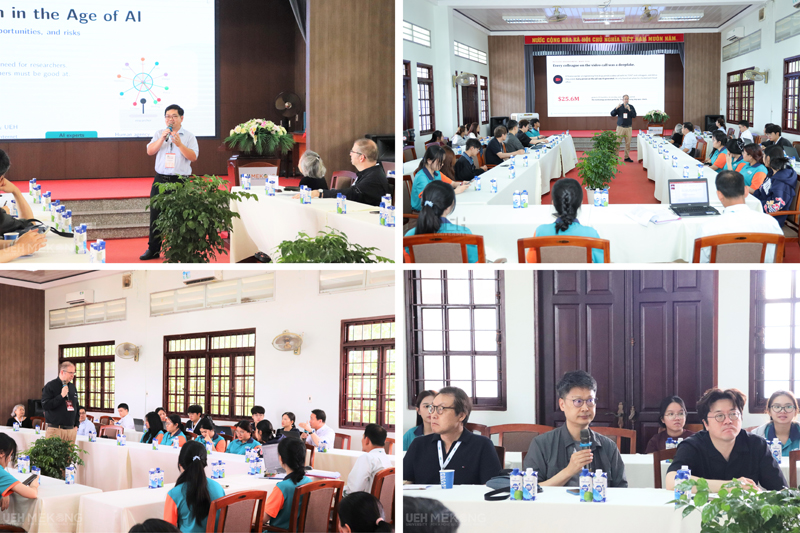
Special Session: “Delta FutureScape: Artificial Intelligence and Innovation Ecosystem”
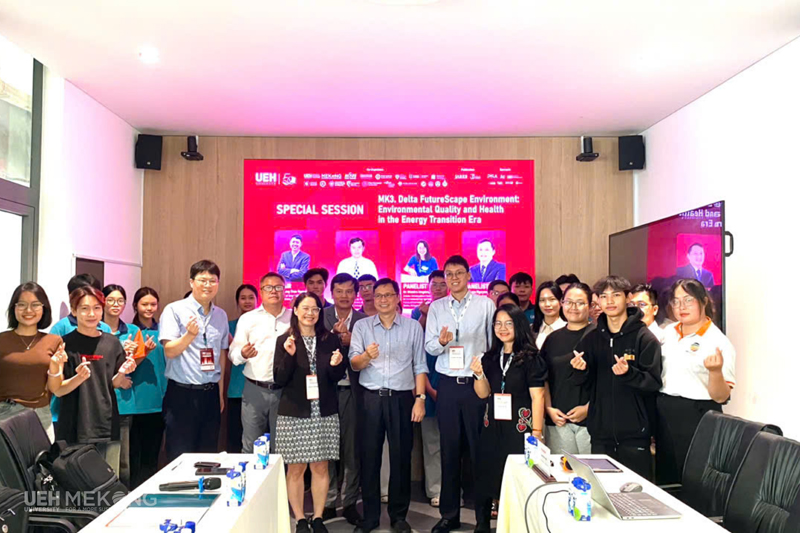
Theme 3, “Delta FutureScape Environment: Environmental Quality and Health in the Energy Transition Era” was chaired by Dr. Vuong Tran Quang, Lecturer at the Institute of Smart City and Management, CTD-UEH, with contributions from Assoc. Prof. Nguyen Van Hong, Dr. Wichitra Singhirunnusorn, and Mr. Lam Nguyen Hai Long. The session focused on environmental quality, public health, and emerging challenges during the energy transition
Special Session: “Delta FutureScape Environment: Environmental Quality and Health in the Energy Transition Era”
From In-depth Research to Community Engagement
The conference’s academic content was further explored through four parallel sessions, M1 to M4. These sessions served as a space where research findings could be translated into practical action. In addition to presenting new knowledge and technologies, they promoted interdisciplinary and international cooperation, contributing to the conference’s comprehensive sustainable development objectives.
Parallel Session M1 - Innovation, Climate Adaptation and Sustainability: The session discussed innovative solutions to strengthen adaptive capacity and advance sustainable development in the Mekong Delta. Key topics included multi-layer ecological design and blue-carbon credit solutions for fruit-growing areas; the role of climate finance in biodiversity conservation; analysis of livelihood assets and vulnerability among farming households in flood-prone areas; and factors influencing the continued use of mobile agricultural advisory applications. The session thereby clarified how technology, finance, livelihoods, and natural-resource management can be integrated in responding to climate change and promoting sustainable agriculture.
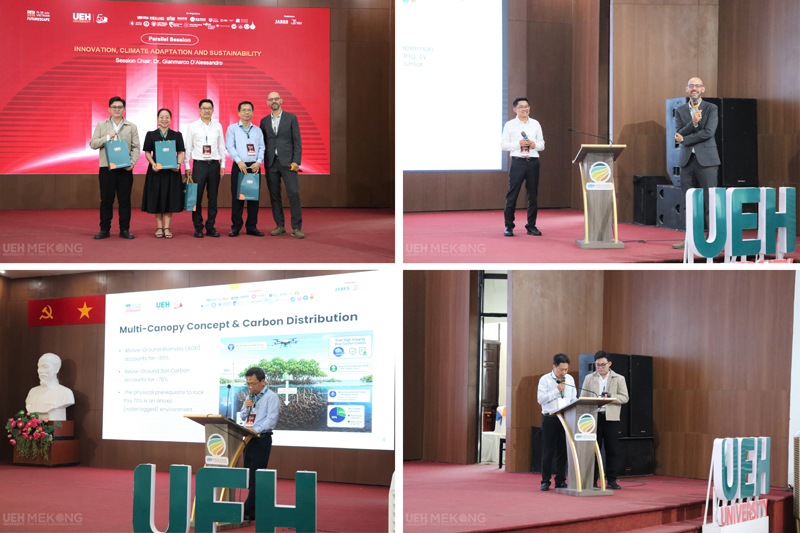
Parallel Session M1: Innovation, Climate Adaptation and Sustainabilit
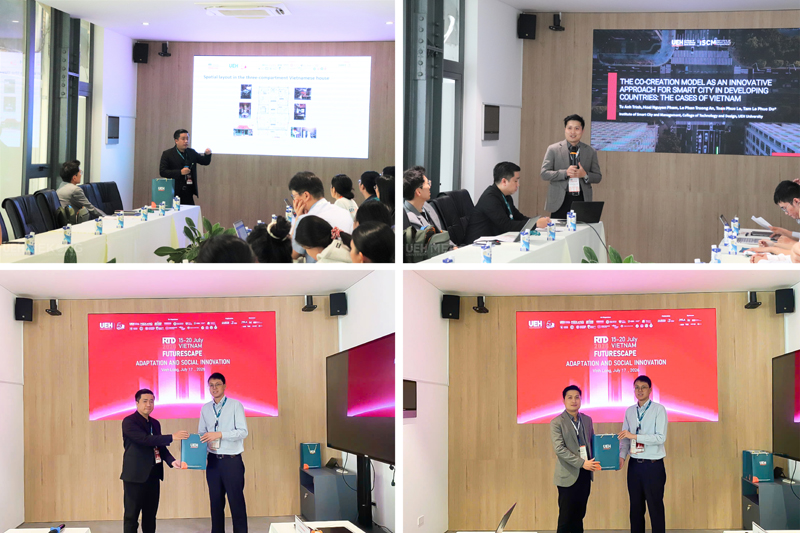
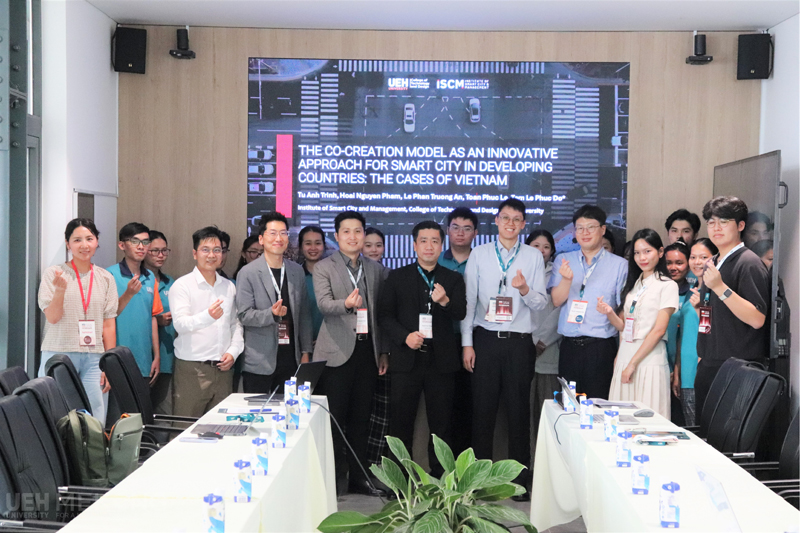
Parallel Session M2 - Sustainable City: The session addressed sustainable urban development amid spatial and environmental transformation and the growing need for community participation. Key topics included changes in spatial structure and traditional housing typologies in the Mekong Delta; factors affecting long-term atmospheric visibility in Vietnam’s capital; co-creation as an innovative approach to smart-city development; and the role of collaboration, co-production, and spatial capacity in community architecture in Kenya and Senegal. The session expanded perspectives on cultural identity preservation, urban environmental quality, participatory governance, and the development of smart, adaptive, and sustainable cities
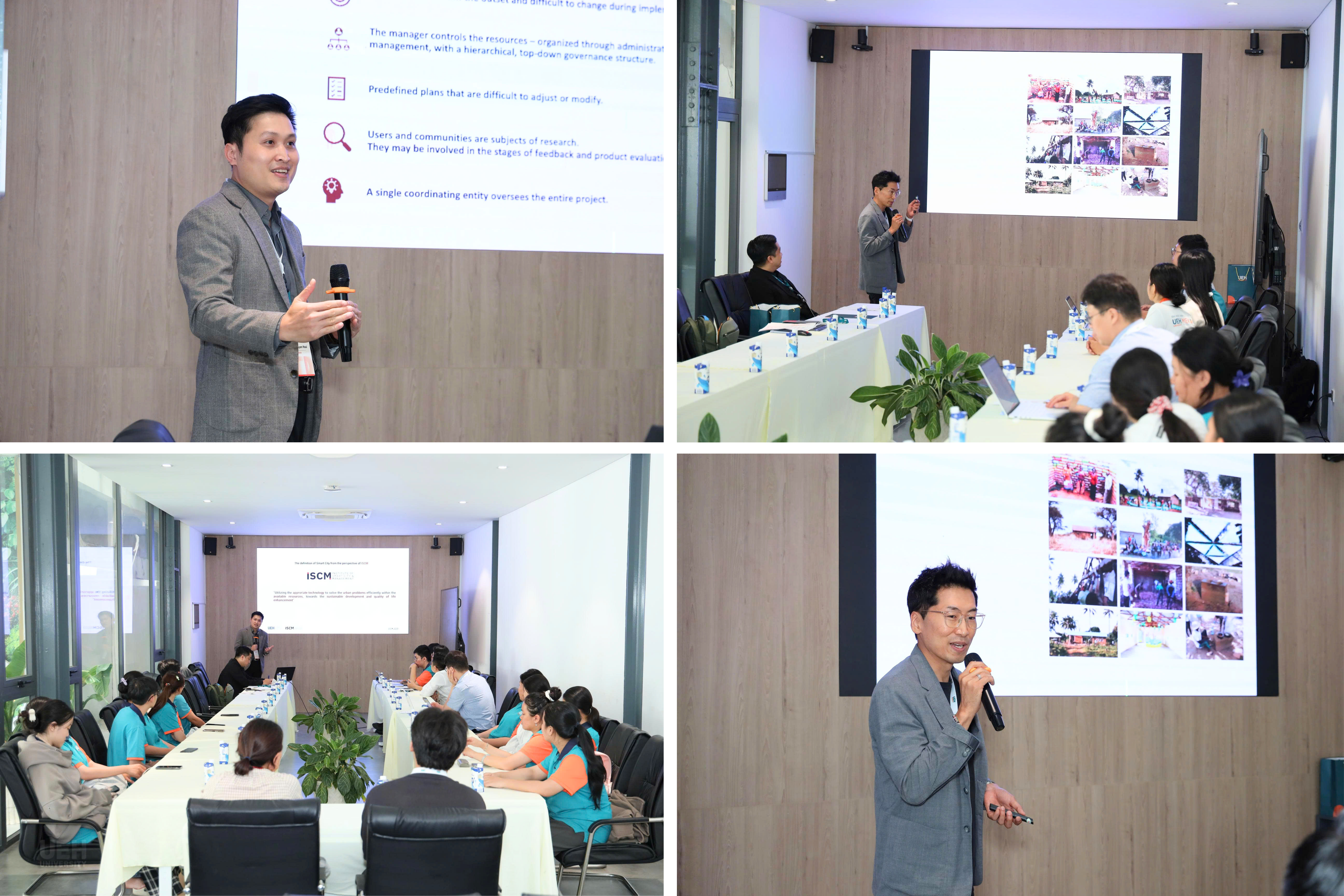
Parallel Session M2: Sustainable City
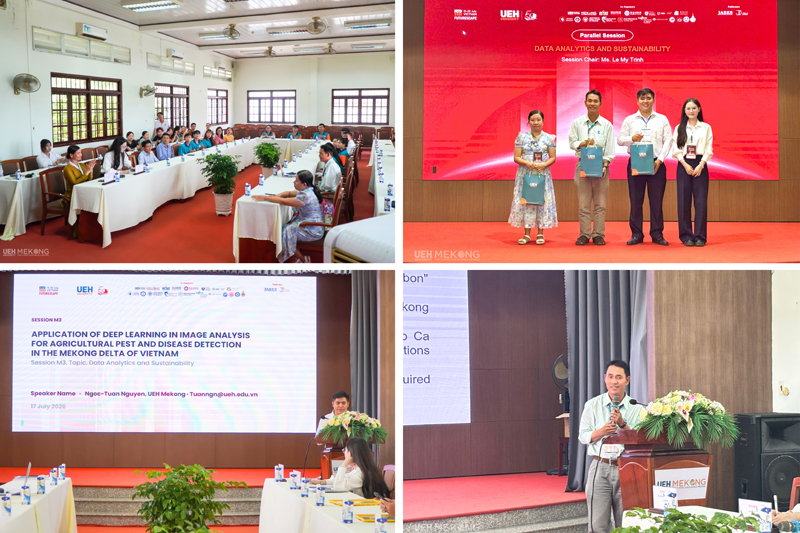
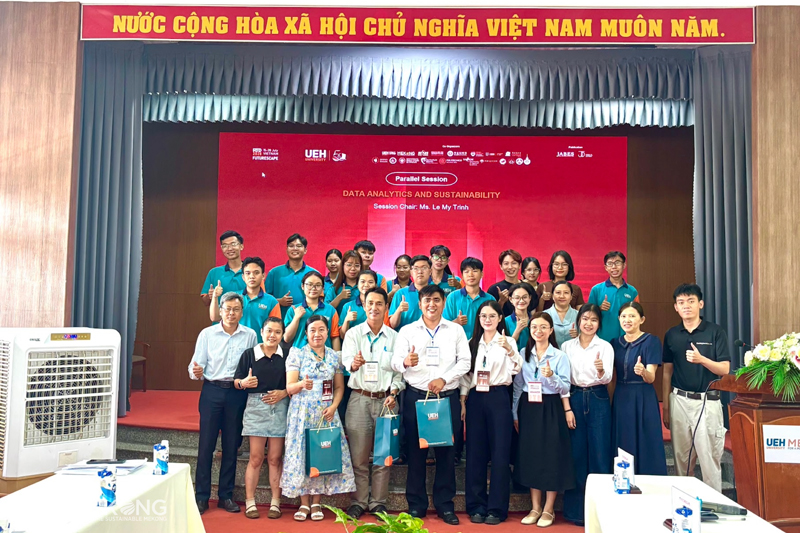
Parallel Session M3 - Data Analytics and Sustainability: The session focused on challenges ranging from climate change, saltwater intrusion, and crop diseases to fragmented management data in the Mekong Delta. The studies sought to translate data into action, strengthen forecasting capacity, and promote smart and sustainable agriculture. The session highlighted the role of data and analytical technologies in improving forecasting, supporting decision-making, and advancing sustainable regional development.
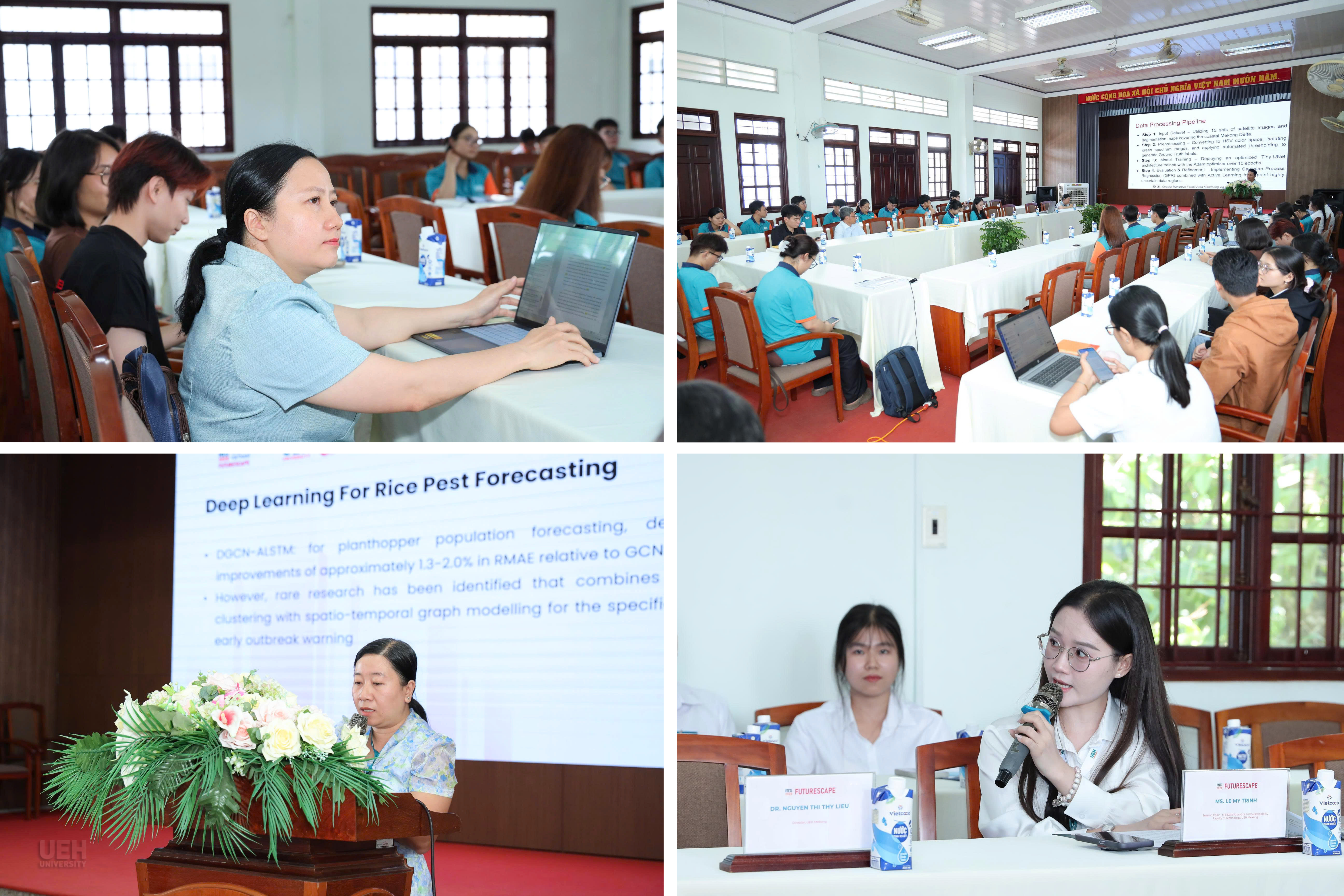
Parallel Session M3: Data Analytics and Sustainability
Parallel Session M4 - Co-creation, Technology and Smart City: The session examined the role of technology, data, and community participation in the development of smart and sustainable cities. Key topics included evaluating the performance of smart cities in Vietnam using the IMD Smart City Index; developing a GIS-based livelihood vulnerability index to assess the impacts of urban redevelopment on coastal communities in Can Gio; and applying co-creative education to urban planning through an interactive platform supporting the nighttime economy. The session clarified how technology, planning, education, and community knowledge can be combined to improve governance and support inclusive, adaptive, and smart urban models.
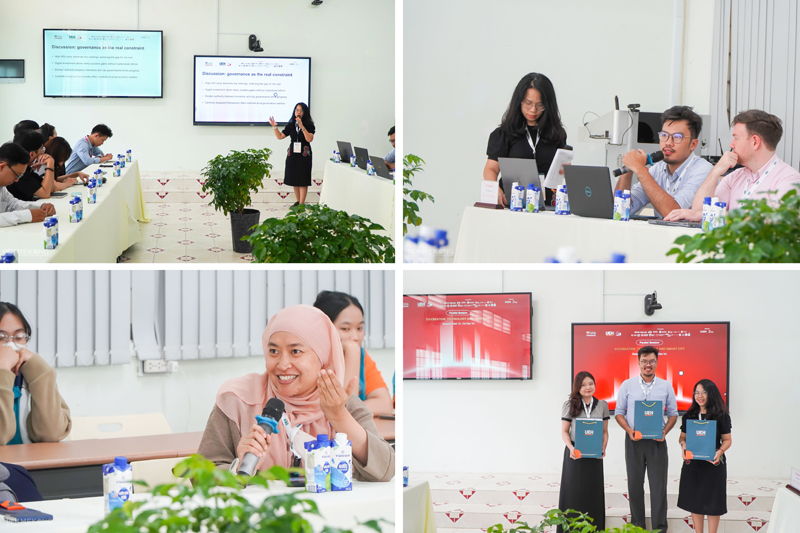
Parallel Session M4: Co-creation, Technology and Smart City
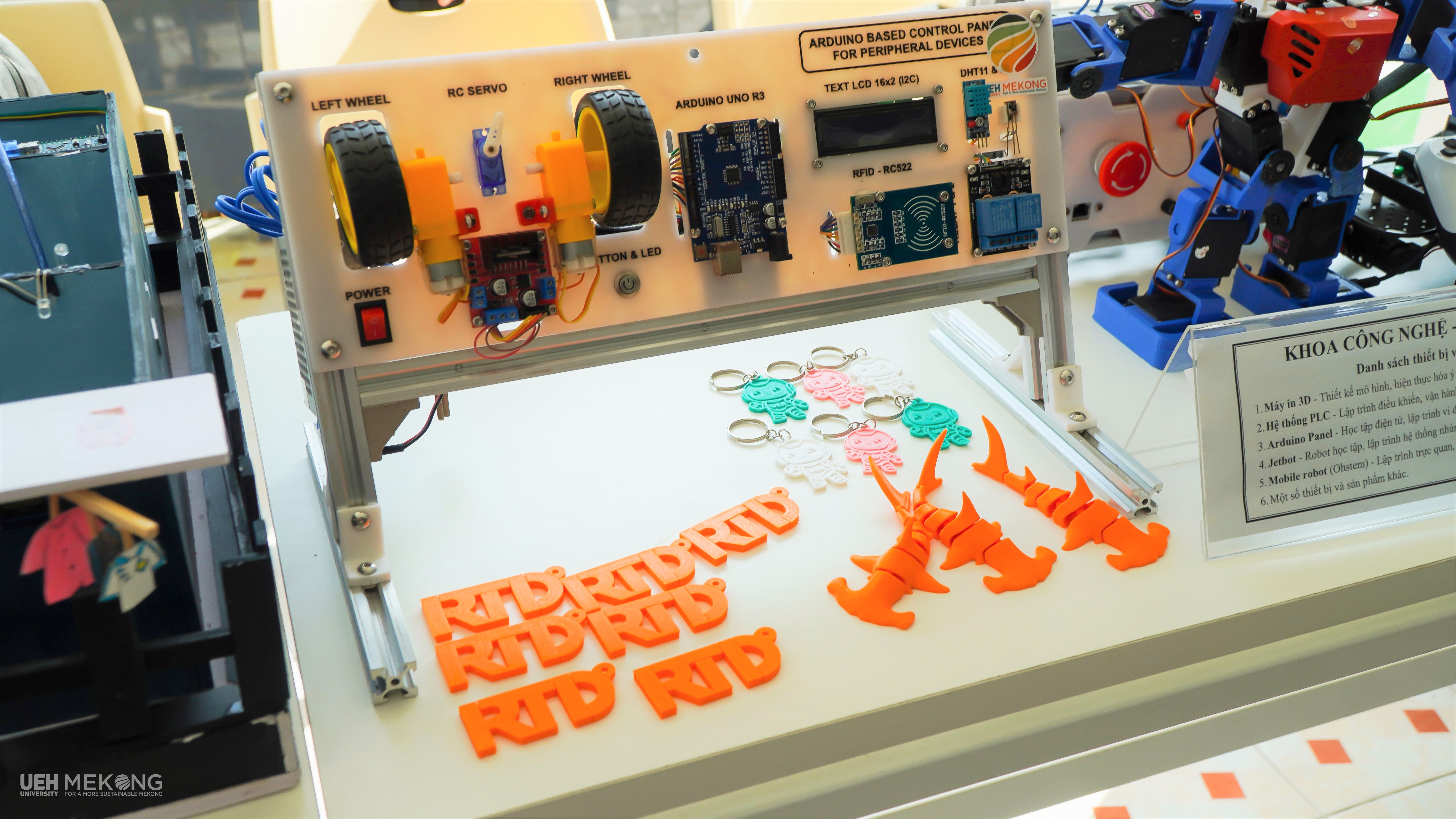
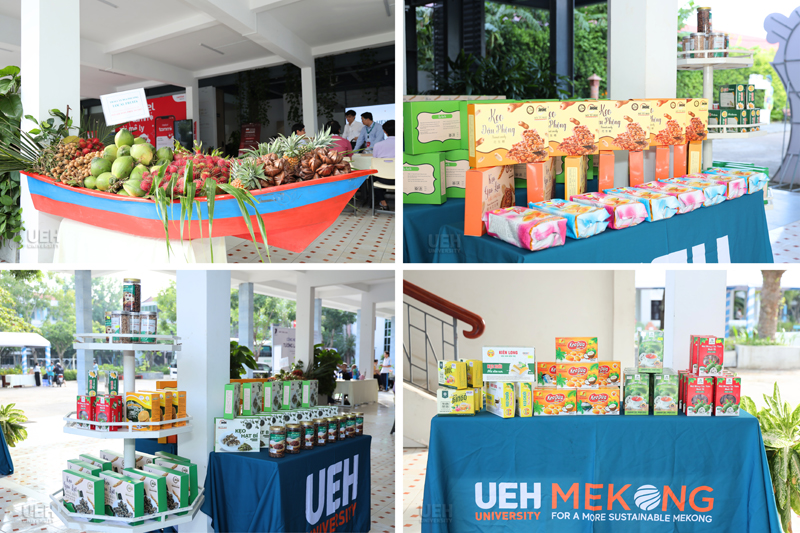
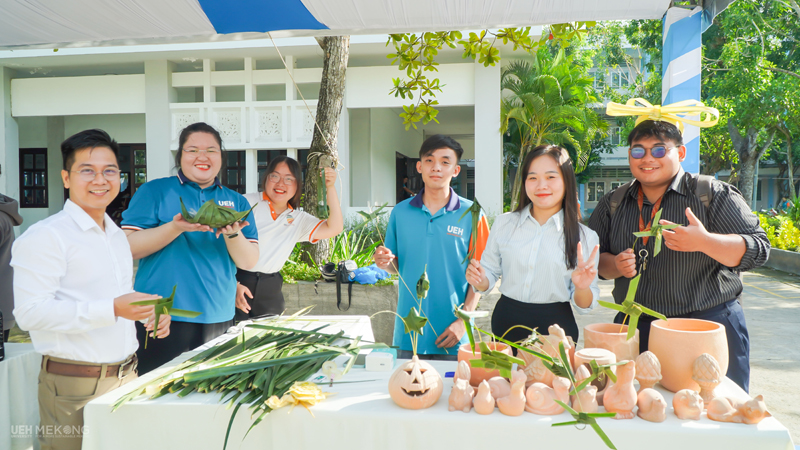
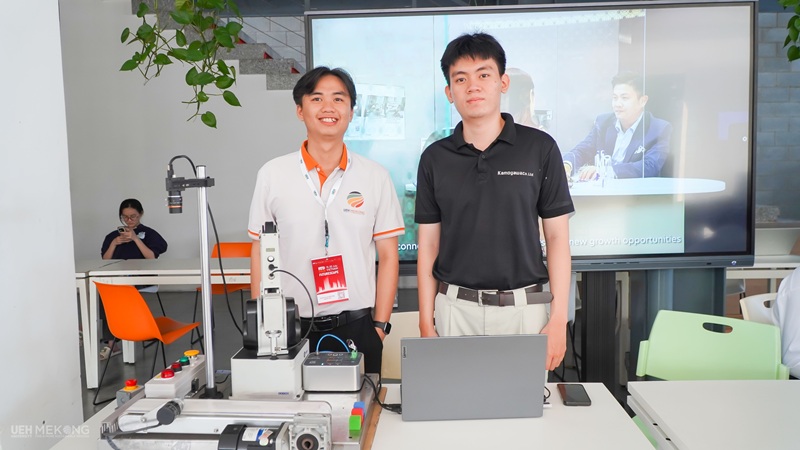
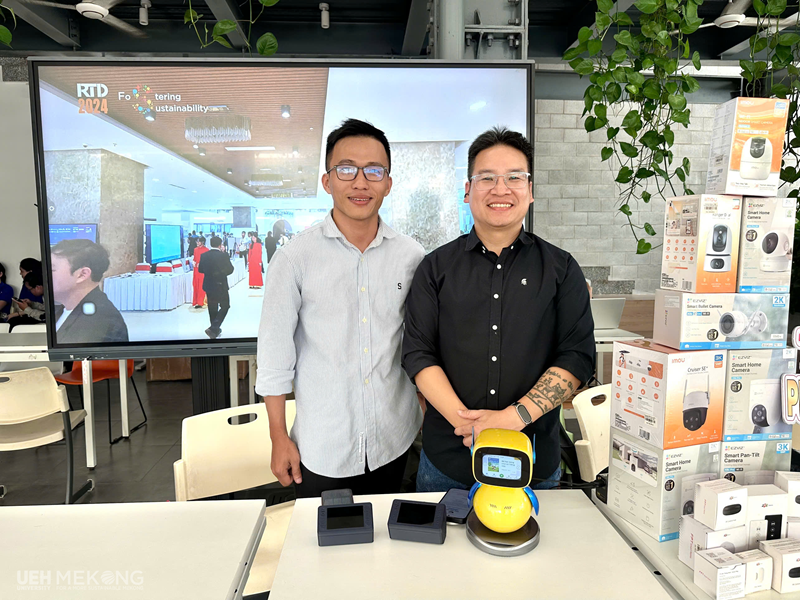
Beyond serving as an academic forum, the conference also featured a distinctive exhibition space connecting knowledge with practice. Innovative stem education models, along with many typical local technology and OCOP products, have brought delegates visual and vivid experiences, contributing to spreading the value of innovation associated with community development.
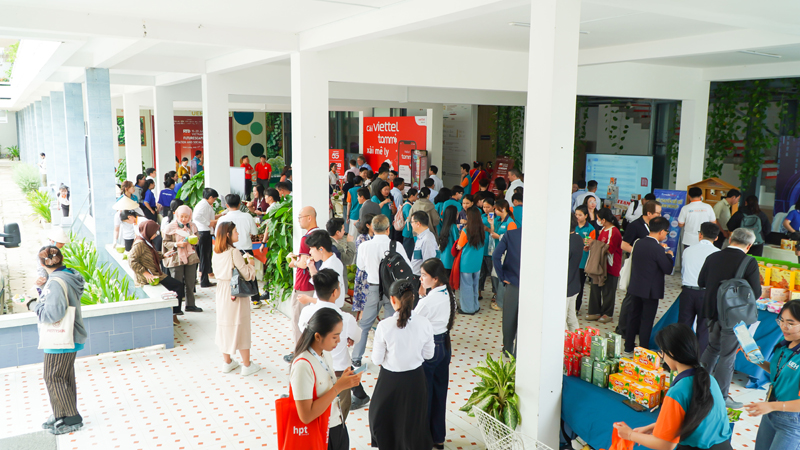
Overview of the exhibition area
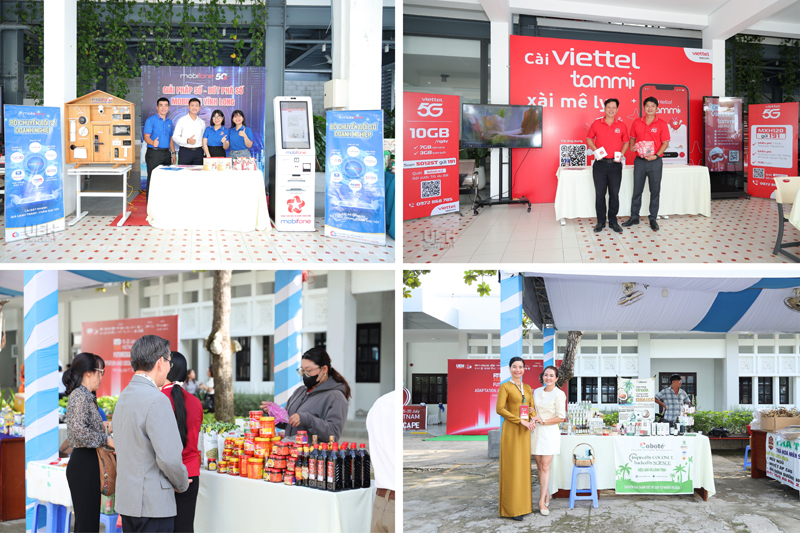
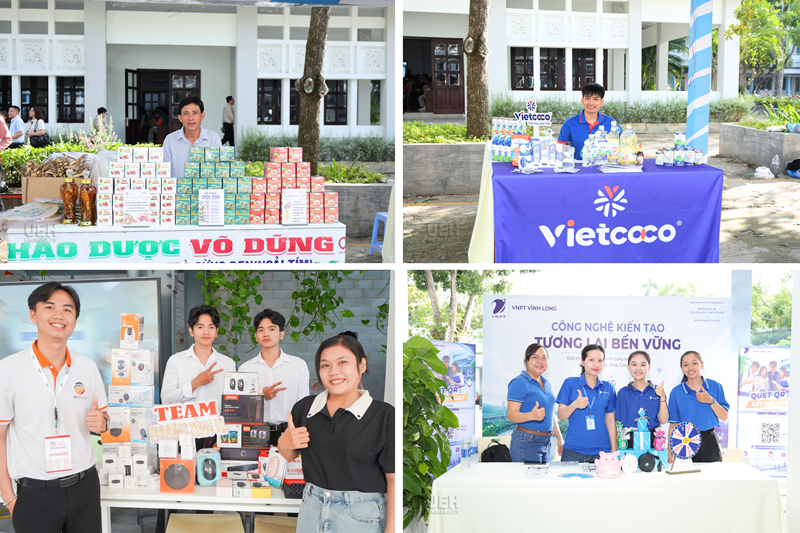
Technology booths, OCOP products, and local products
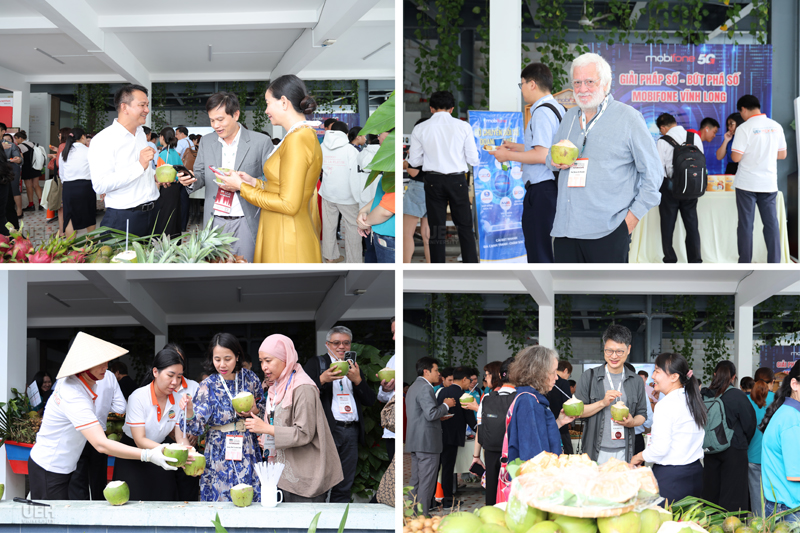
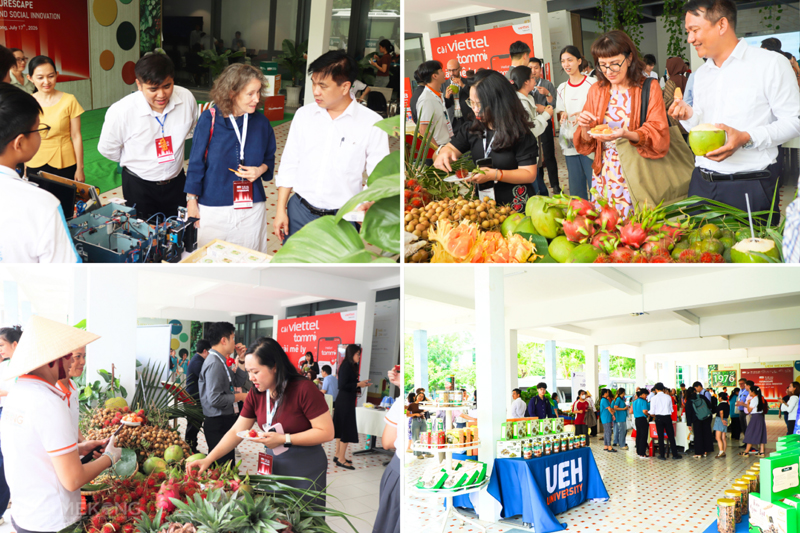
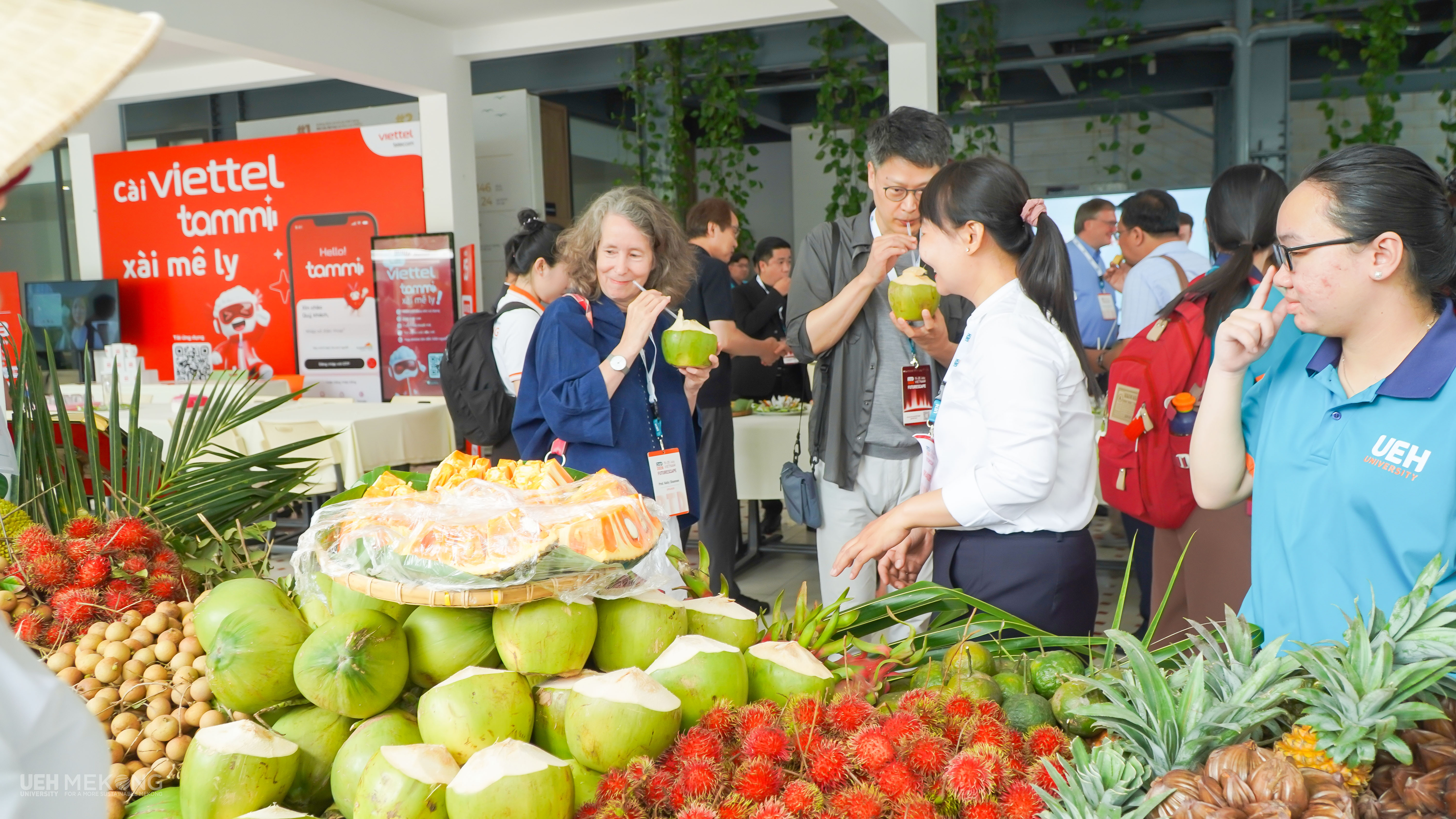
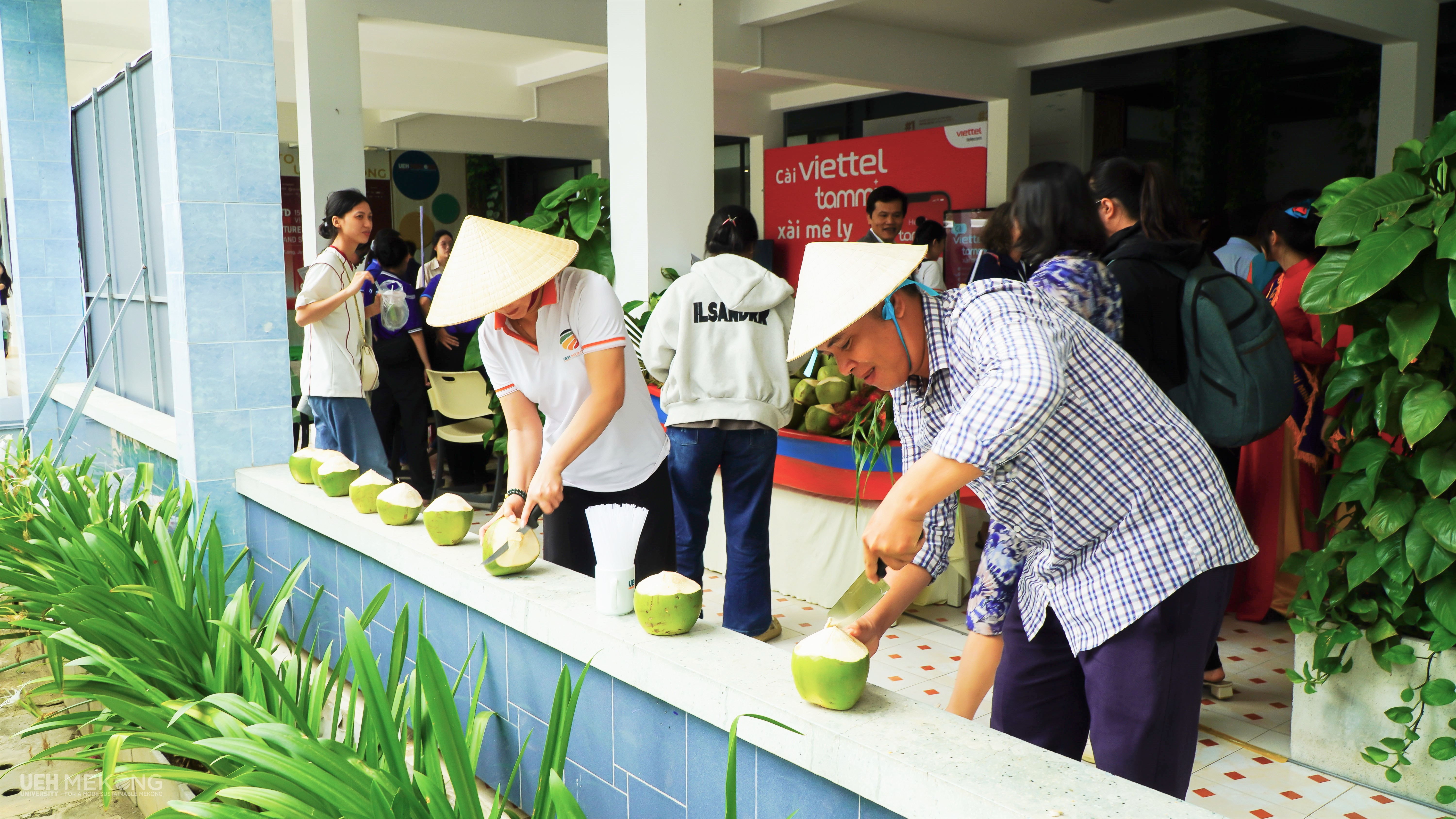
Distinguished delegates and teachers experience fruit canoes with a local imprint
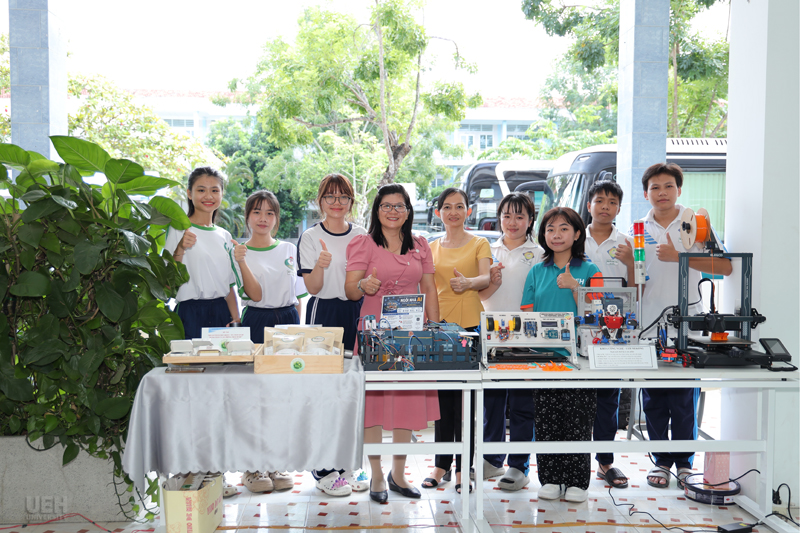
Display area of stem models from high schools
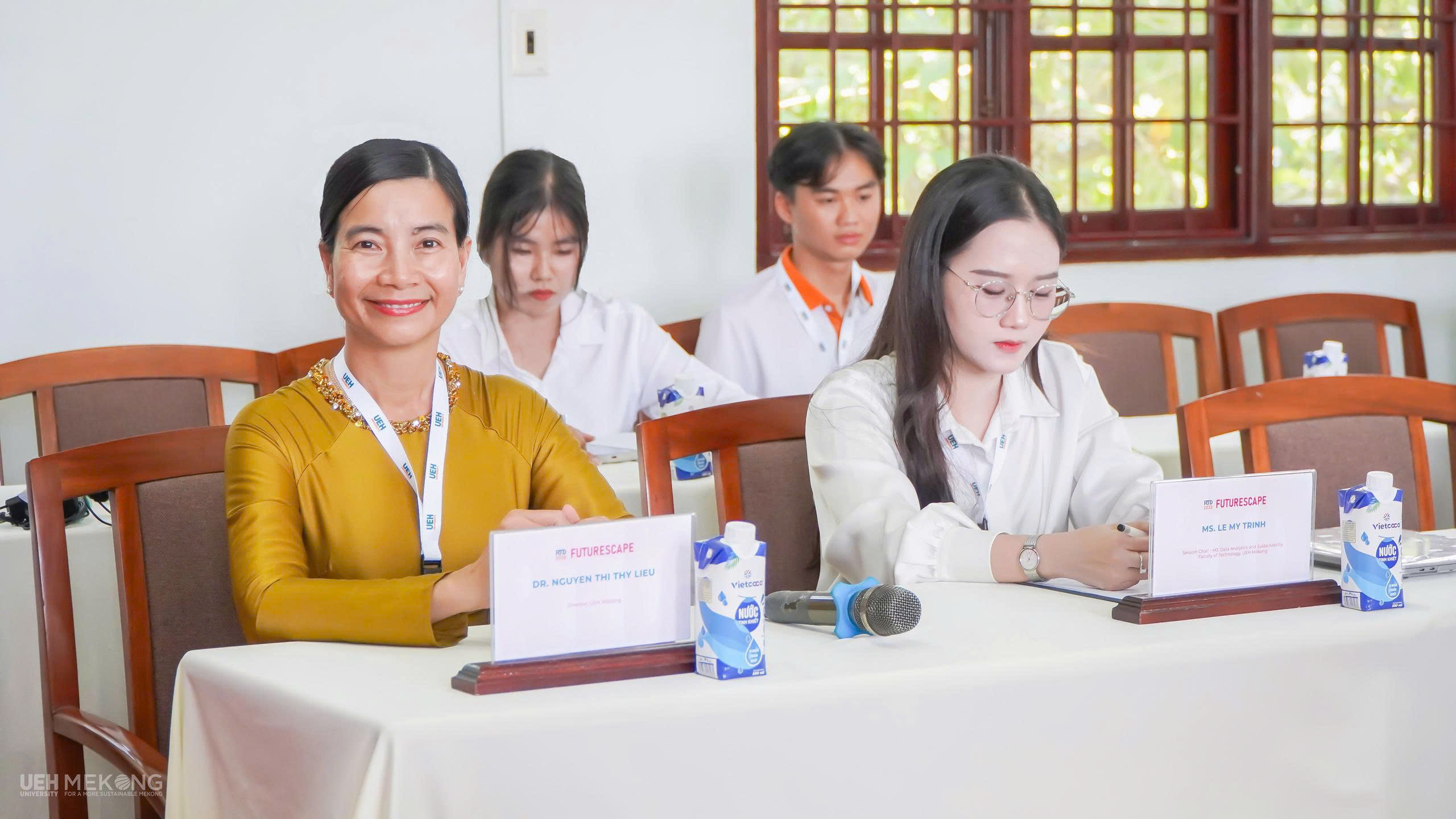
Continuing the spirit of connection between academia and practice spread throughout the conference, the Organizing Committee expressed its special appreciation to partner organizations whose contributions helped make the event a success. On behalf of the Organizing Committee, Dr. Nguyen Thi Thy Lieu, Director of UEH Mekong, awarded letters of thanks to businesses and high schools for accompanying, supporting and joining hands to promote activities connecting education, research and community development. It is this strong connection that has realized the spirit of the workshop: connecting academic knowledge with social resources, promoting innovation and jointly creating a prosperous, adaptive and sustainable Mekong Delta.
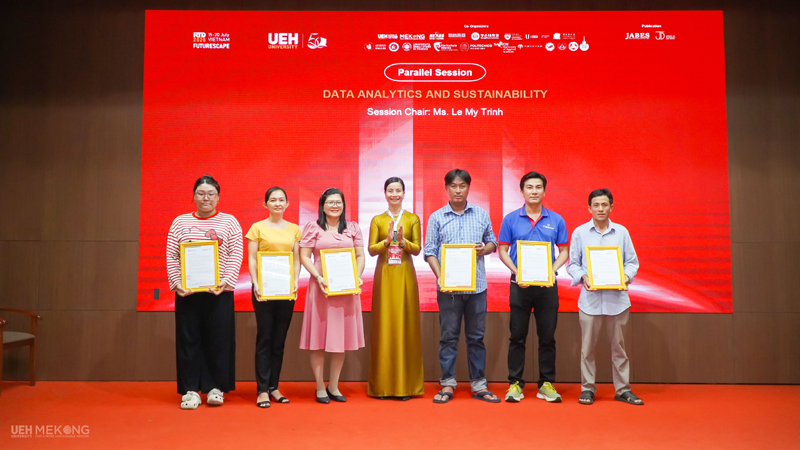
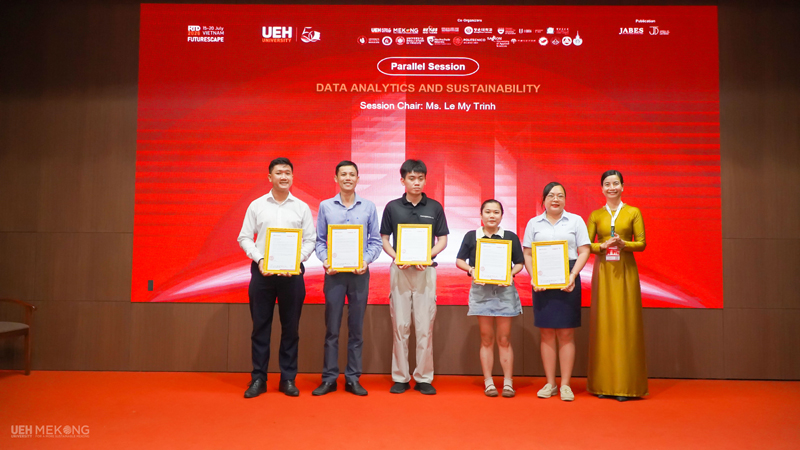
Dr. Nguyen Thi Thy Lieu - Director of UEH Mekong presented a letter of thanks to businesses and high schools who participated in the exhibition at the conference
Field Trip - Practical Experiences in Vinh Long
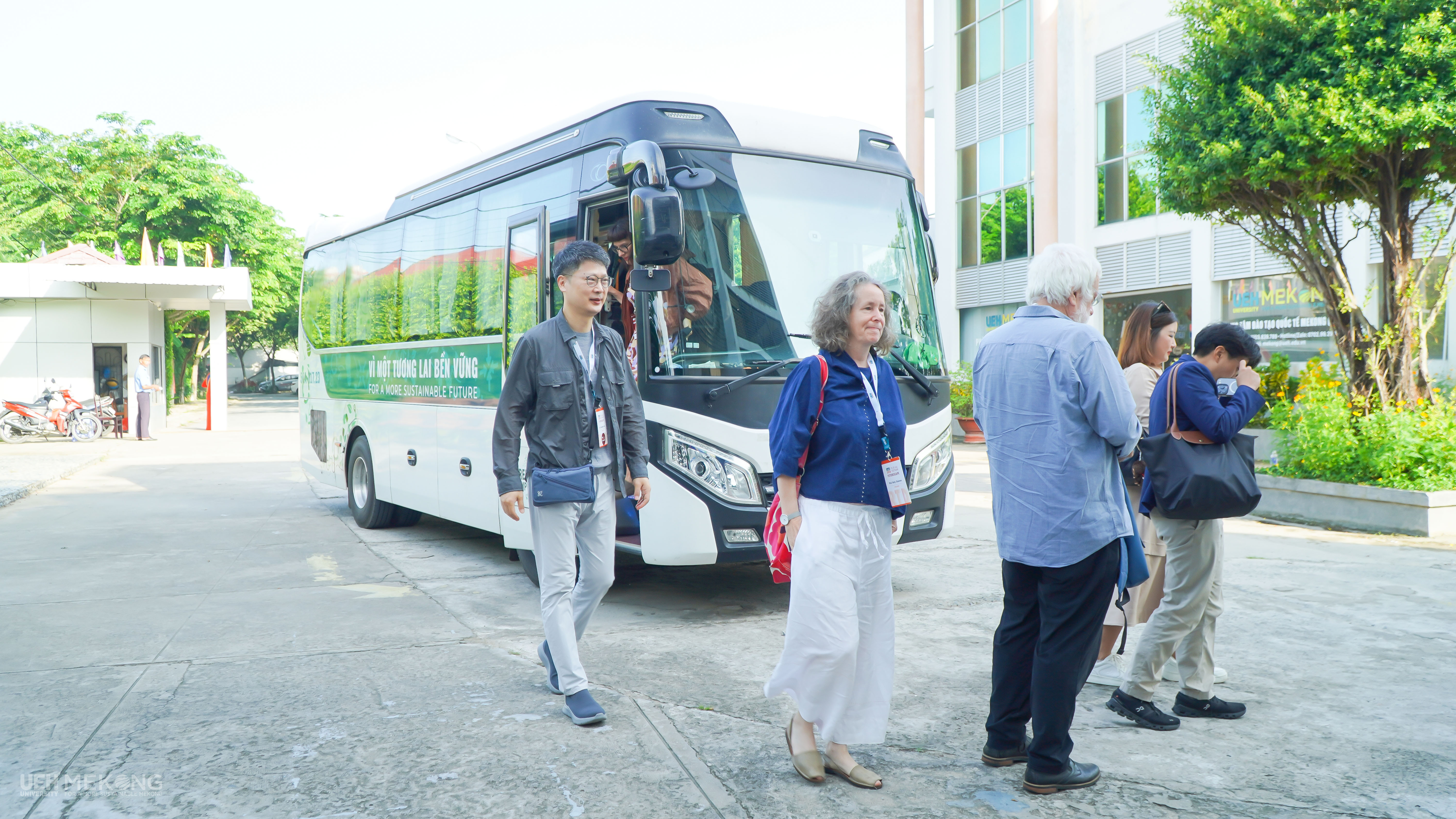
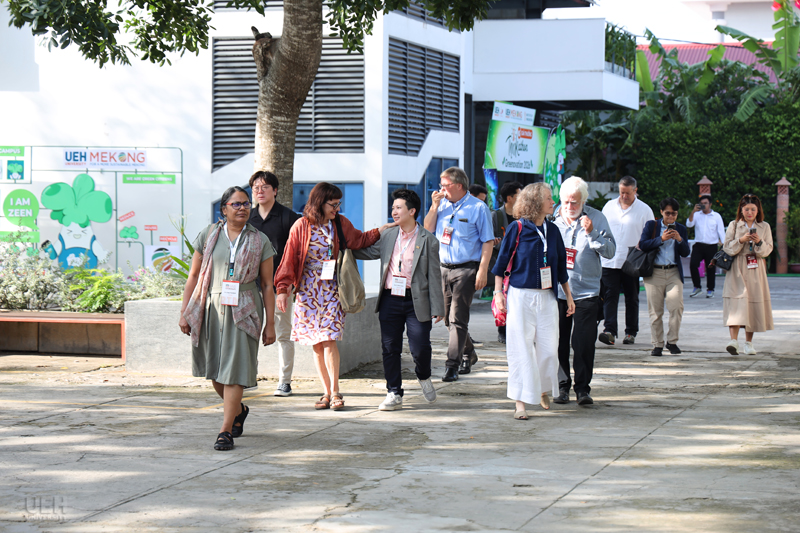
Following the academic program, on July 18, 2026, conference delegates and speakers visited and held a working session at Phước Thành IV Company Limited, toured Vinh Long Port, and visited An Binh Islet in Vinh Long Province. The program connected academic knowledge with practice while broadening perspectives on the sustainable development potential of the Mekong Delta.
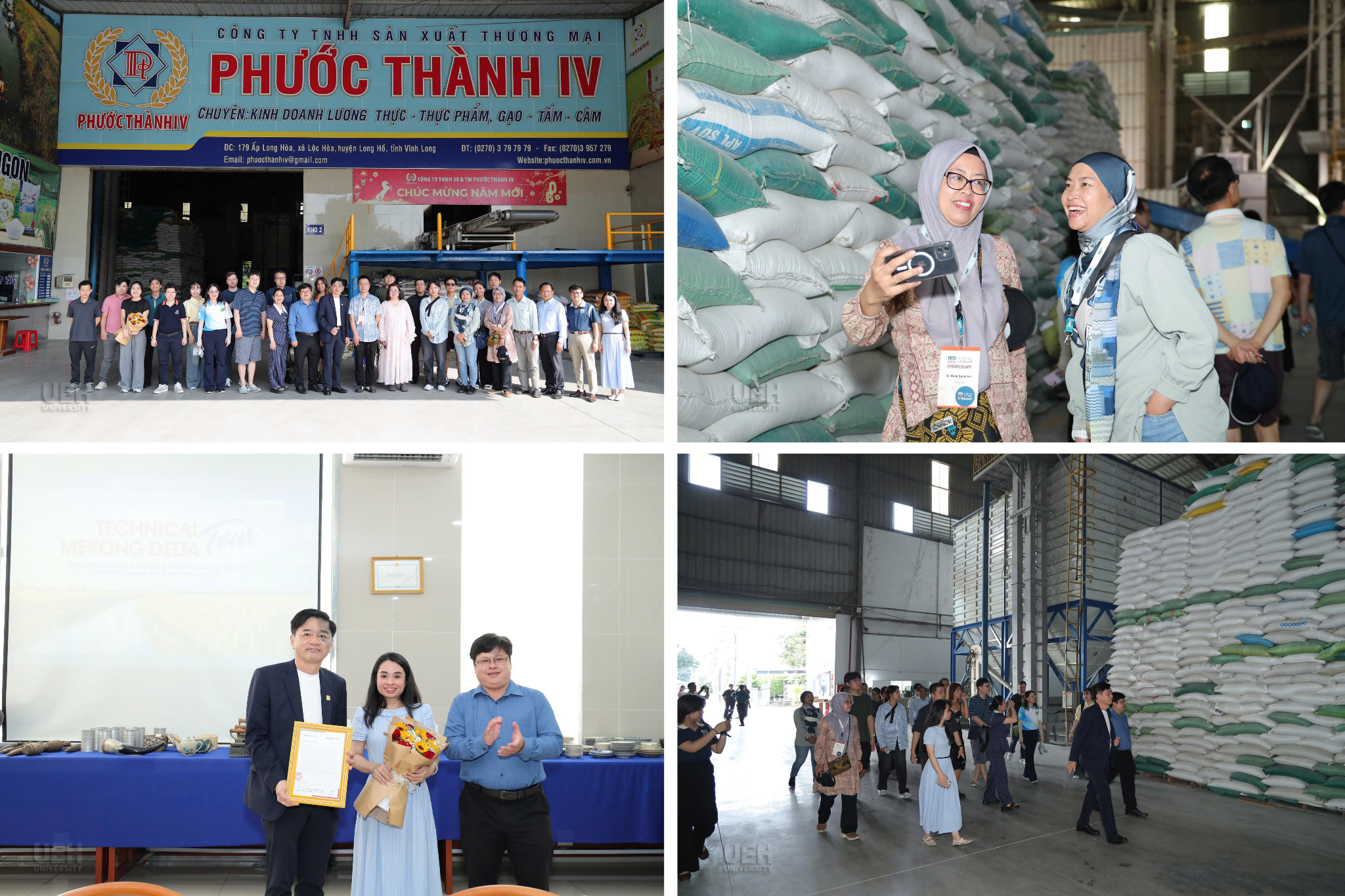
Local and international delegation of experts and professors and UEH and UEH Mekong lecturers visit Phuoc Thanh IV Co., Ltd
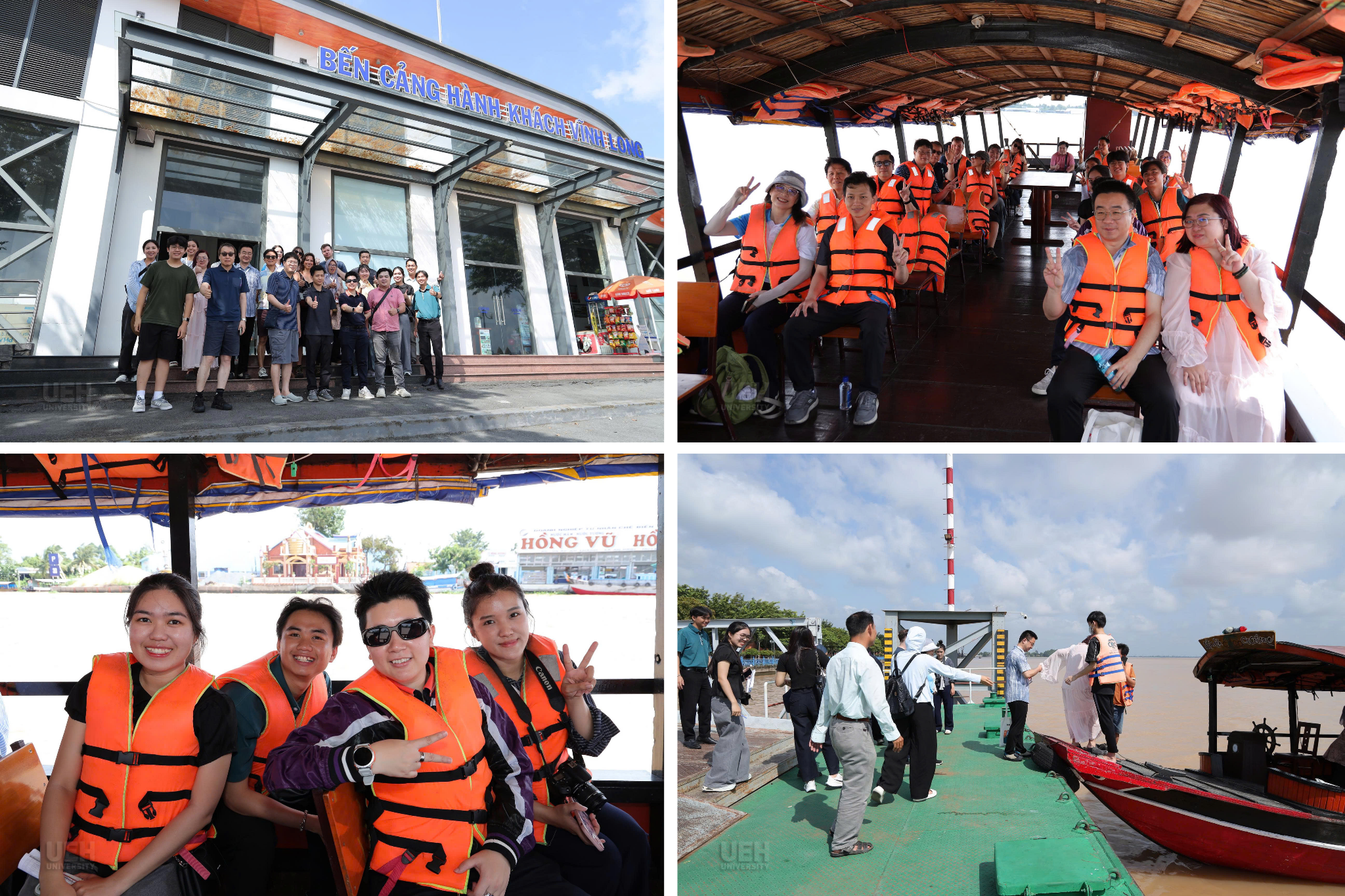
A delegation of domestic and international experts and professors and UEH and UEH Mekong lecturers experience the journey to visit An Binh islet by waterway
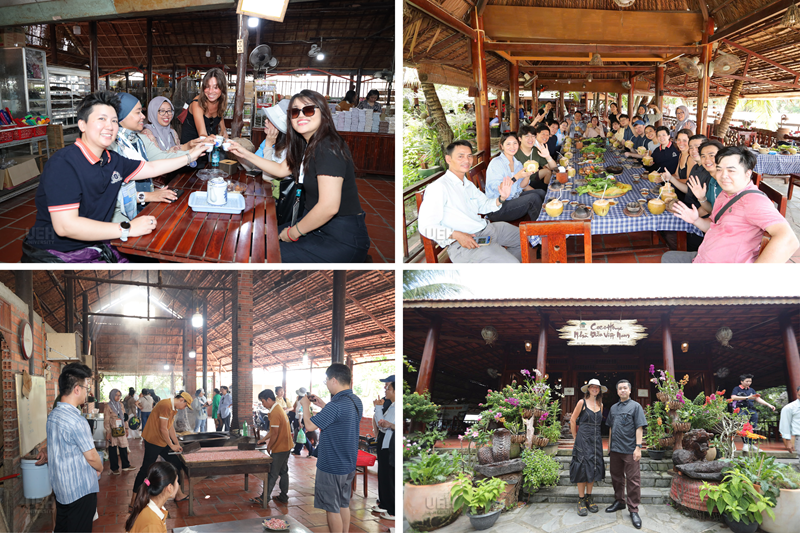
A delegation of domestic and international experts and professors and UEH and UEH Mekong lecturers interacted with local residents and enjoyed local specialties in An Binh and Vinh Long islands
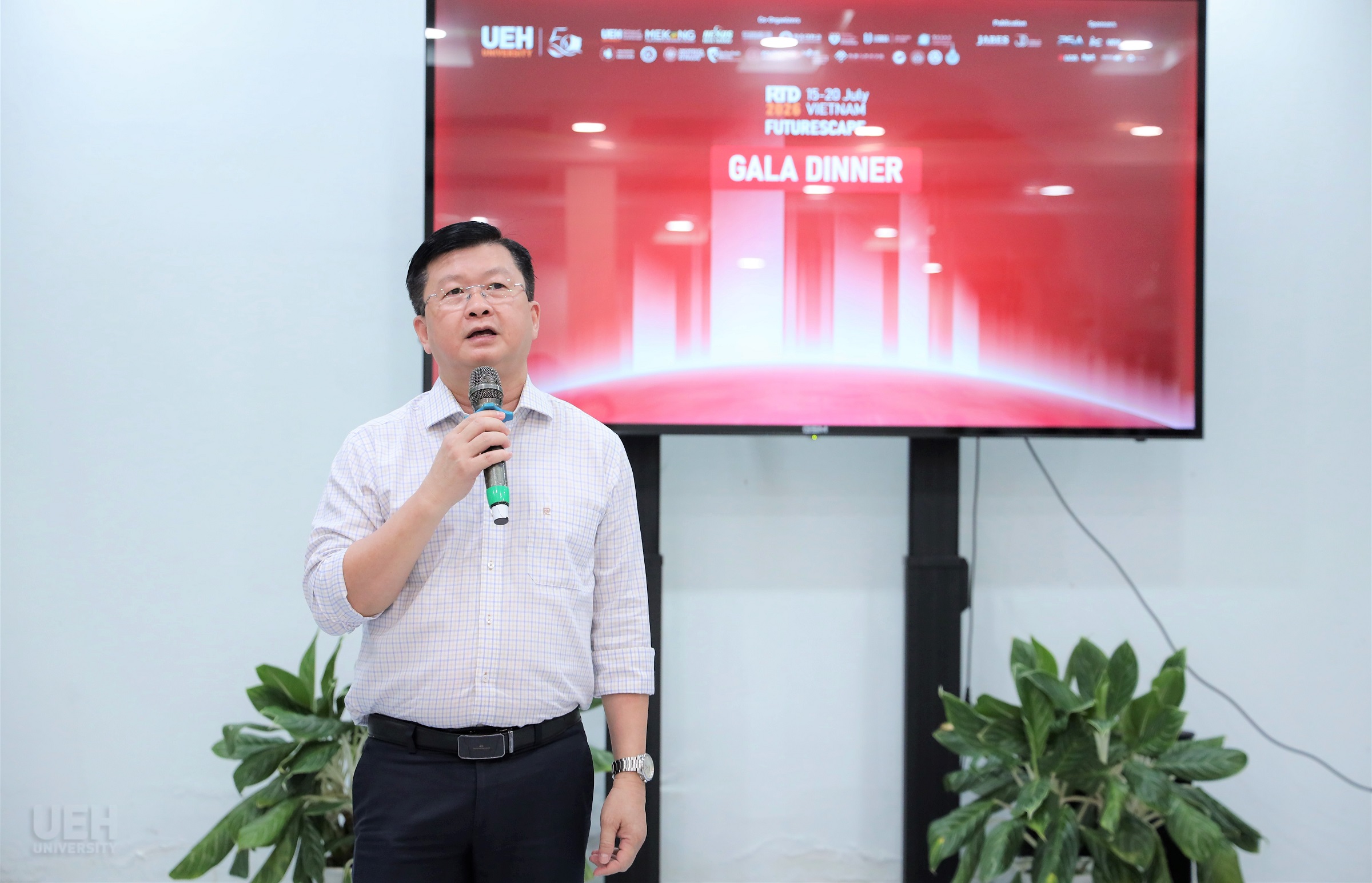
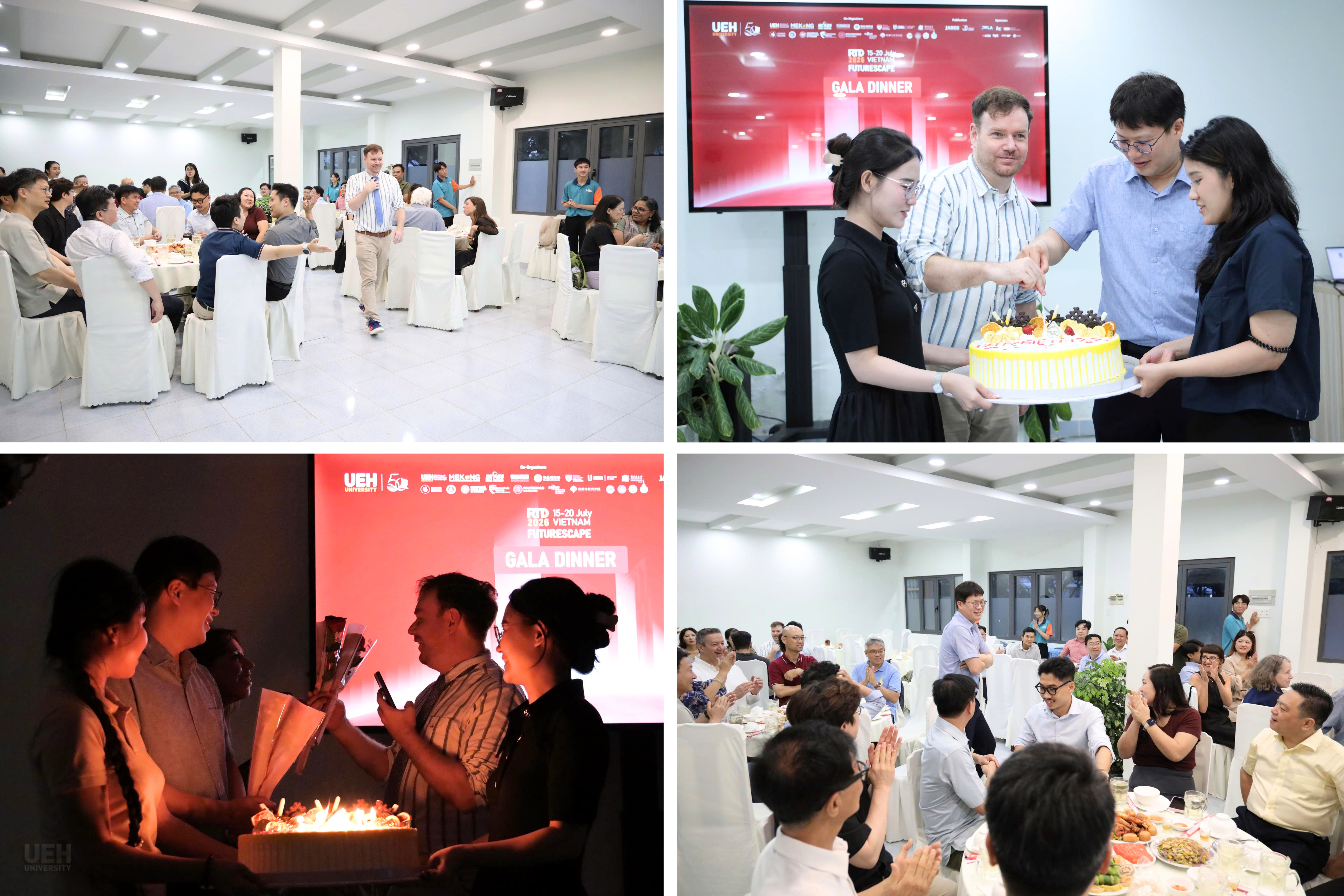
Gala Dinner
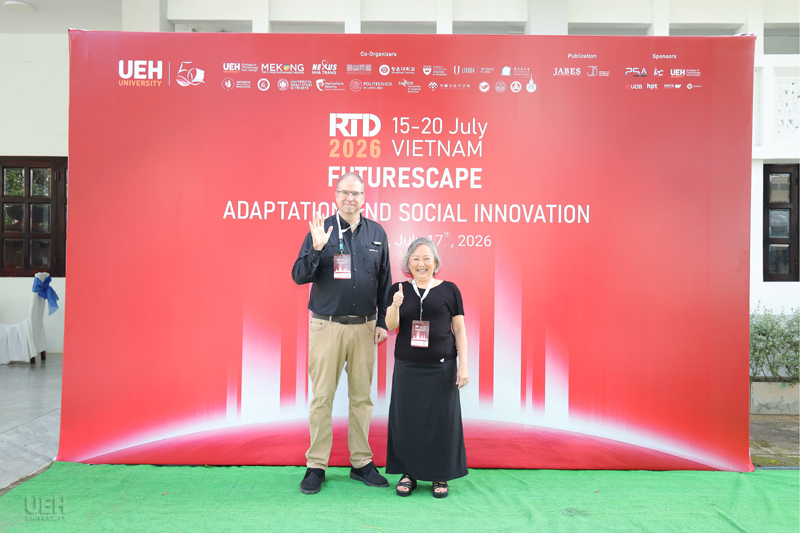
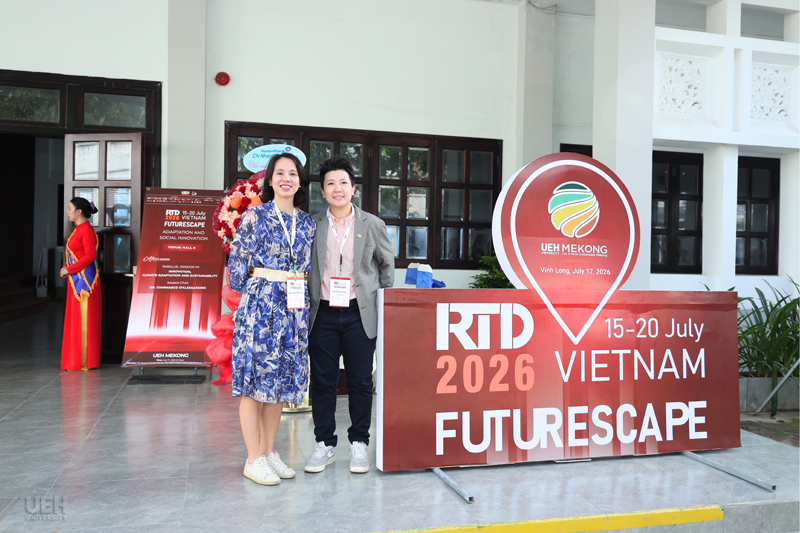
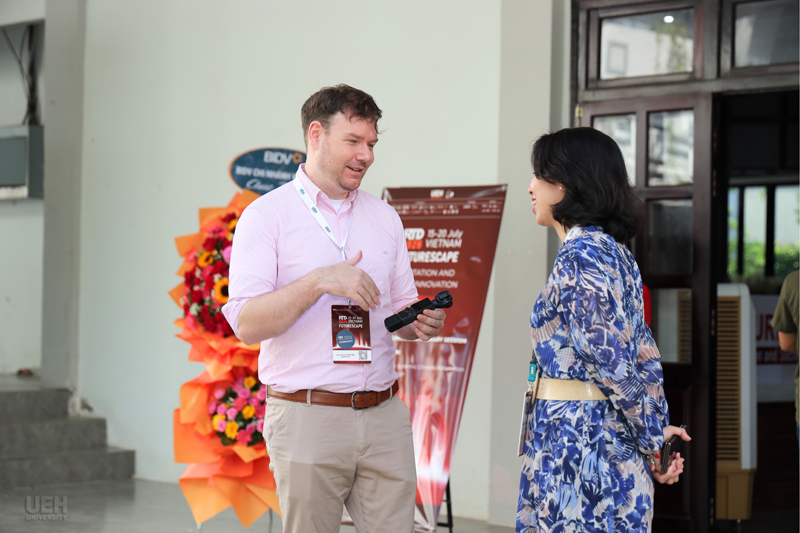
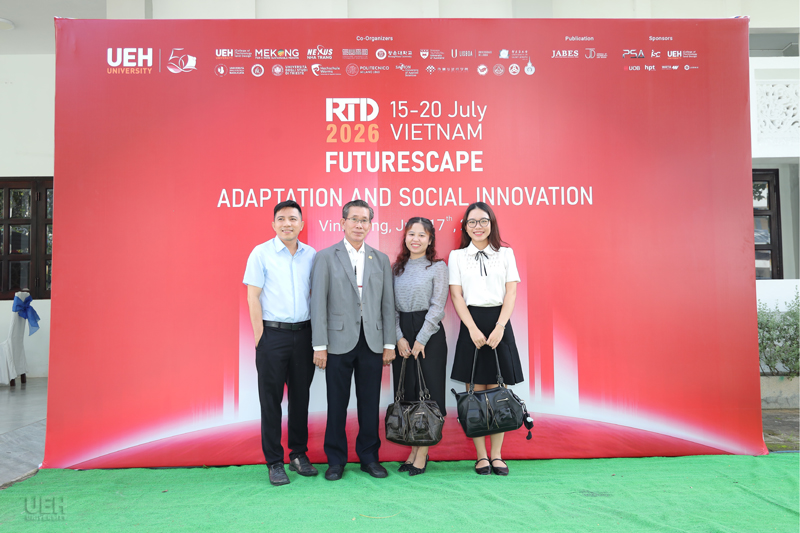
Some photos at the conference:
Images from the special sessions:
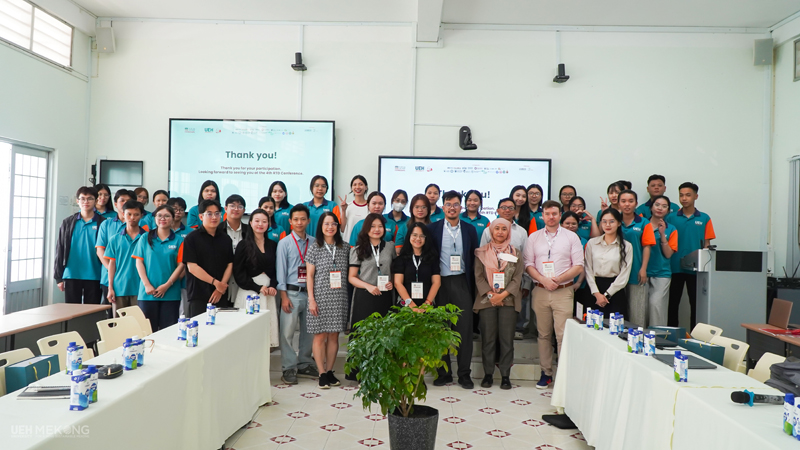
Images from the parallel sessions:
Images from the exhibition area:
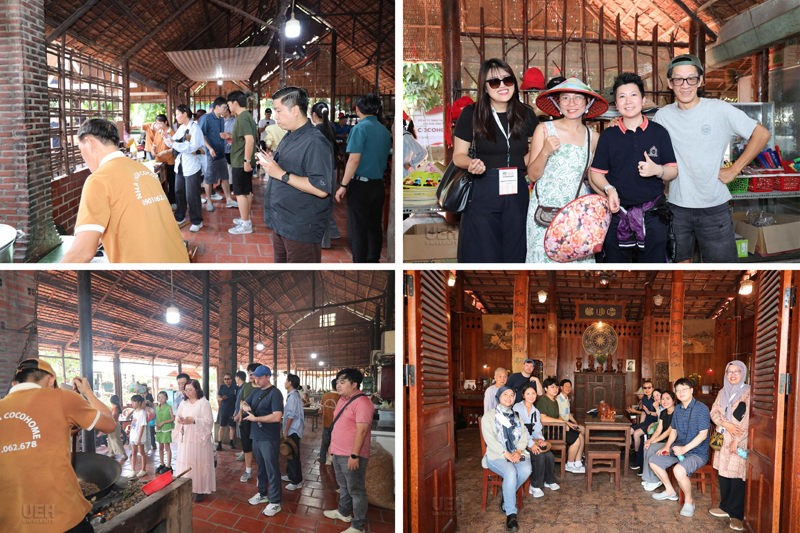
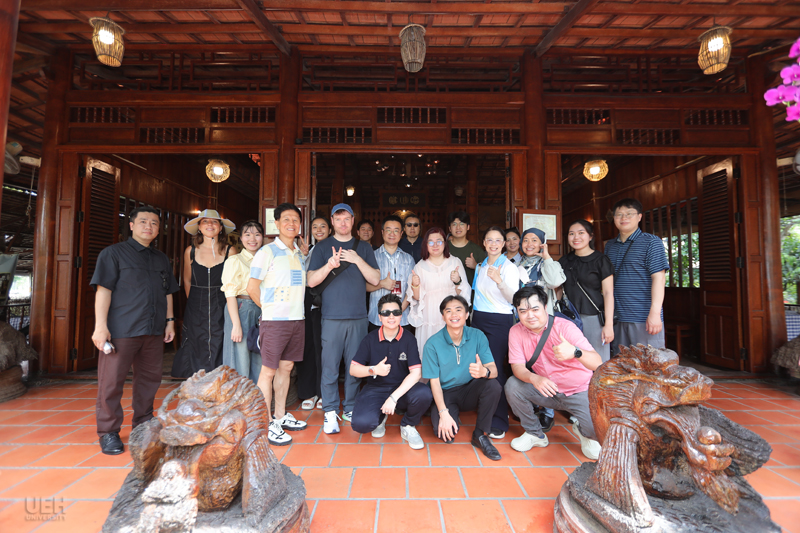
Images from the field trip:
News and photos: RTD 2026 Organizing Committee
>>> UEH Opens the RTD 2026 International Conference on July 15, 2026: [UEH CONFERENCE 50] Khai mạc Hội thảo Khoa học Quốc tế RTD 2026: Định hình “FutureScape” - Tầm nhìn Công nghệ và Thiết kế vì một tương lai bền vững
>>> Video Recap of the RTD2026 Conference in Ho Chi Minh City and the Mekong Delta (Vinh Long & Can Tho) - UEH Mekong, July 15–18, 2026:
Video Recap: Wrapping Up the Journey in Ho Chi Minh City and the Mekong Delta at the RTD 2026 International Scientific Conference, July 15–18, 2026
>>> Looking Back at the Memorable Moments from RTD2026 at UEH Mekong (July 17–18, 2026):
Looking Back at the Memorable Moments from the RTD 2026 International Conference at UEH Mekong
Media coverage:
1. Vinh Long Province Electronic Information Portal: Hội thảo khoa học quốc tế RTD 2026: Thúc đẩy thích ứng và đổi mới xã hội vì phát triển bền vững
2. Vinh Long Newspaper, Radio and Television: Hơn 300 đại biểu tham dự Hội thảo khoa học quốc tế RTD 2026 tại UEH Mekong
[RTD 2026] 2026 International Conference on Resilience by Technology and Design at UEH Mekong under the theme "FutureScape: Adaptation and Social Innovation"
3. Education and Times Newspaper: Đại học không chỉ nghiên cứu mà phải tạo lời giải cho Đồng bằng sông Cửu Long
4. Vietnam News Agency: "Thiết kế tương lai" thay vì loay hoay "thích ứng": Lời giải cho bài toán sinh kế ĐBSCL
5. Mekong Delta Life section, Gia Dinh Viet Nam Online Magazine - Can Tho: RTD 2026 kết nối tri thức quốc tế vì tương lai Đồng bằng sông Cửu Long
6. Vietnam.vn: Hơn 300 đại biểu tham dự Hội thảo khoa học quốc tế RTD 2026 tại UEH Mekong
![[UEH 50] JABES Launches Special Issue Celebrating the 50th Anniversary of UEH: 12 Research Papers Accompanying Vietnam's Development Issues](/images/upload/thumbnail/ueh-thumbnail-639283721313299577.png)
![[UEH Through the Lenses of Time #01] UEH 50 Years: From the Classroom Window to the Aspiration to Contribute](/images/upload/thumbnail/ueh-thumbnail-639282664984784994.png)
![[UEH Through the Lenses of Time #02] School of Mathematics - Statistics: Generations of Deans and the Journey of Continuation](/images/upload/thumbnail/ueh-thumbnail-639282663344912443.png)
![[UEH Through the Lenses of Time #03] Half a Century, A Journey & Hundreds of Thousands of Hearts](/images/upload/thumbnail/ueh-thumbnail-639282661905215411.png)
![[UEH Through the Lenses of Time #04] Simple Frames: Keepsakes, Teachers, and Everyday Memories of Generations of UEHers](/images/upload/thumbnail/ueh-thumbnail-639282660641392168.png)